I ate the two signature bowls at SanSanNana (三三七), a tsukemen specialist in Kawasaki: the Nibanshibori (rich) and the Ajitama Ichibanshibori.
The short answer: order the Nibanshibori if you came for a thick dipping broth, and the Ichibanshibori if you want the niboshi aroma straight. They are the same base, and the weight of the aftertaste is clearly different.
The shop advertises a “golden ratio” of chicken and niboshi (dried sardine). Its formal name is Tama SanSanKi (玉 三三㐂), though the sign and listings use SanSanNana. Tsukemen is a style where the noodles and the broth are served separately and you dip each mouthful.
Sponsored
What is the Nibanshibori (rich) like?
The short answer: the dipping broth is thick enough to feel viscous, and it clings to the fat noodles.

The base is chicken stock reinforced with niboshi and vegetable umami. Richness is the defining feature, exactly as the name suggests.
The noodles are thick and wheat-forward, returning both chew and aroma with every bite. They stand up to the heavy broth, and the flavour that stays in your mouth builds satisfaction as you eat.
What stayed with me is that it is not simply strong. The chicken depth and the niboshi aroma hold each other in balance, and I never got bored partway through.
The regular (200g) and medium (300g) portions cost the same, so order the medium if you are undecided. Near the end I asked for soup-wari, where the staff dilute the remaining broth with stock so you can drink it. That softened the chicken and niboshi and kept the flavour changing right to the last mouthful.
What is the Ajitama Ichibanshibori like?
The short answer: the niboshi aroma is clearer and the finish is cleaner than the Nibanshibori.
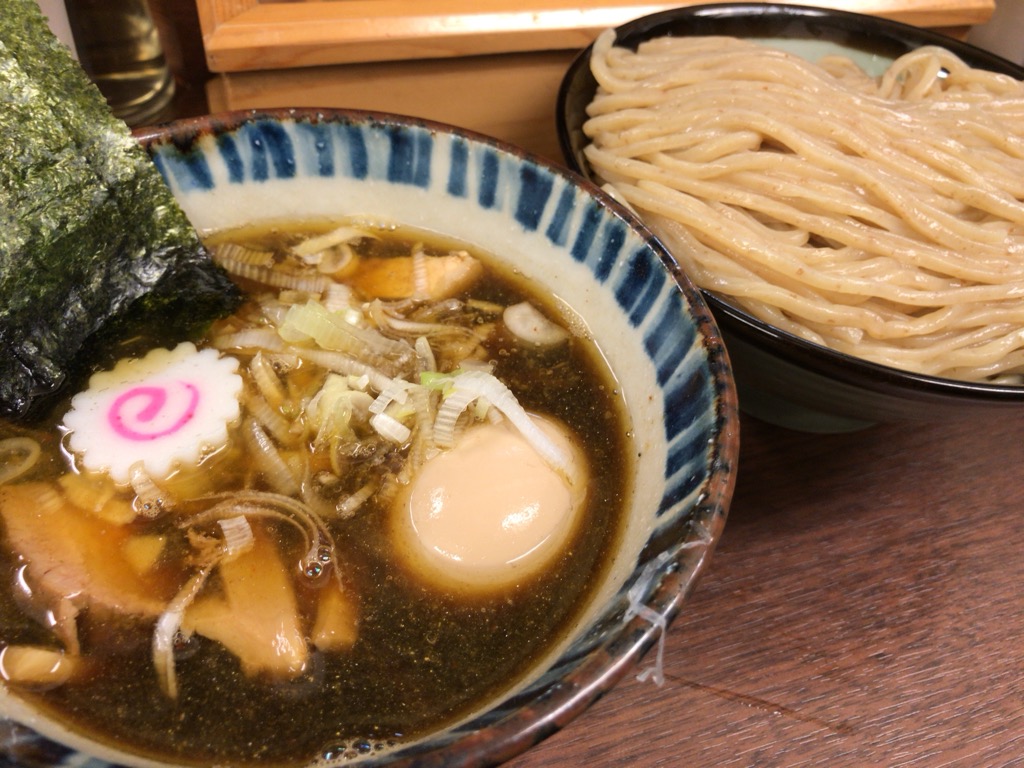
The Ichibanshibori uses the same chicken and niboshi construction with the concentration dialled back so the aroma comes forward.
The seasoned egg (ajitama) releases a mild sweetness and a balanced saltiness when you bite it. Eaten with the noodles it softens the edge of the niboshi and works as an accent.
The real discovery was that eating this straight after a rich bowl did not weigh me down. If you want the niboshi aroma delivered directly, this is the one to order.
Sponsored
How do the two actually differ?
The short answer: the difference is not the strength of the flavour but the weight of the aftertaste.
| Item | Nibanshibori (rich) | Ichibanshibori |
|---|---|---|
| Broth consistency | Thick, almost viscous | Smooth and lighter |
| Flavour that leads | Chicken depth | Niboshi aroma |
| Aftertaste | Heavy, satisfaction lingers | Light, clean finish |
| Who it suits | People who like rich tsukemen | People who want to taste the niboshi |
| Price range | ¥950–¥1,300 | ¥900–¥1,250 |
Prices move with toppings. There is also a spicy Karashibori at ¥1,050–¥1,400, so you can change direction while staying in the rich range.
Who is this shop for?
The short answer: if you like a thick dipping broth with fat noodles, start with the Nibanshibori and you will not be disappointed.
I like rich tsukemen, and even the medium portion did not feel like enough.
The richness and the strength of the niboshi are where opinions split. If you arrive expecting a light seafood broth, the Nibanshibori will feel heavy. In that case start with the Ichibanshibori, which makes the outline of the stock easier to read.
In the rich-seafood direction it is close to Tsukemen Jinbei, the best seafood tsukemen I have had in Okinawa. If you prefer a clear broth built around niboshi aroma instead, Ishigufu Ramen Shima Branch, with its chicken paitan and clear broth is closer.
SanSanNana: hours, access and prices
The short answer: the shop is open every day, and on weekdays it closes between lunch and dinner. Weekends and holidays run straight through, so go at the weekend if you are arriving at an odd hour.
| Name | SanSanNana (三三七) / formally Tama SanSanKi (玉 三三㐂) |
|---|---|
| Cuisine | Tsukemen and ramen |
| Address | 9-7 Ogawacho, Kawasaki-ku, Kawasaki, Kanagawa 210-0023, Japan |
| Access | About 6 minutes on foot from Hatchonawate Station (Keikyu Main Line / JR Nambu Branch Line); about 10 minutes from JR Kawasaki Station, East Exit |
| Hours | Weekdays 11:00–15:00 and 17:00–22:00 Weekends and holidays 11:00–22:00 (continuous) Last order 21:30 |
| Closed | Open every day |
| Price range | Tsukemen roughly ¥900–¥1,400 |
| Portions | Regular 200g and medium 300g cost the same; the small 150g comes with a free ajitama |
You can also choose whether the noodles arrive cold or warmed. Hours and menu items change, so check the shop’s current information before travelling a long way.