The short answer: Ishigufu Ramen (いしぐふーらーめん) Shima branch is a place where you pick your chicken broth by how heavy you feel that day. All three styles — paitan, clear broth and tantanmen — are built on chicken, so the choice is about weight rather than flavour family. I ate through all eight bowls repeatedly over the years I lived in Okinawa.
This article explains how the three main ramen styles served at Ishigufu Ramen’s Shima branch—chicken paitan, clear chicken broth, and tantanmen—differ in structure, balance, and everyday usability.
It is written for readers who want a grounded, experience-based review rather than a one-time impression or exaggerated praise.
I used to live in Okinawa, and whenever I felt like having ramen, this was the place I naturally ended up visiting. Not once or twice, but repeatedly, as part of everyday life. Each visit, I chose a different menu: paitan, tanrei (clear broth), or tantanmen. Although these styles are clearly separated, they all share a chicken-based foundation. Being able to choose according to mood or time of day was one of the main reasons I kept coming back.
Across all styles, the bowls, presentation, and price range remain consistent. Rather than delivering dramatic surprises each time, this shop left a steady impression. At the time, chicken paitan ramen was still relatively uncommon in Okinawa, yet this was a place I wanted to return to again and again.
Sponsored
1. Chicken Paitan Ramen (Special & Aburi Chicken)
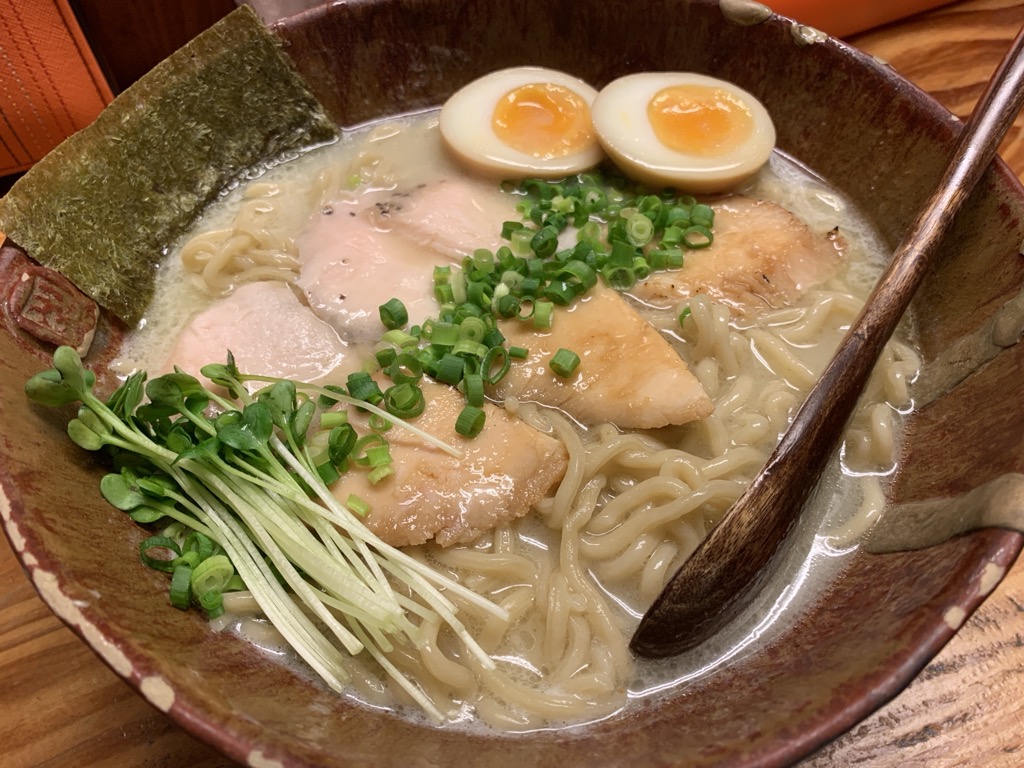
The chicken paitan ramen is something I ordered many times at the Shima branch.
The milky white soup has noticeable body, but it never becomes excessively heavy. When eaten with the noodles, the flow is smooth and straightforward, without resistance.
The Special Chicken Paitan Ramen includes a wider variety of toppings, which prevents the eating experience from becoming monotonous. Despite the thickness of the soup, the noodles never felt buried, and the balance held until the final bite.
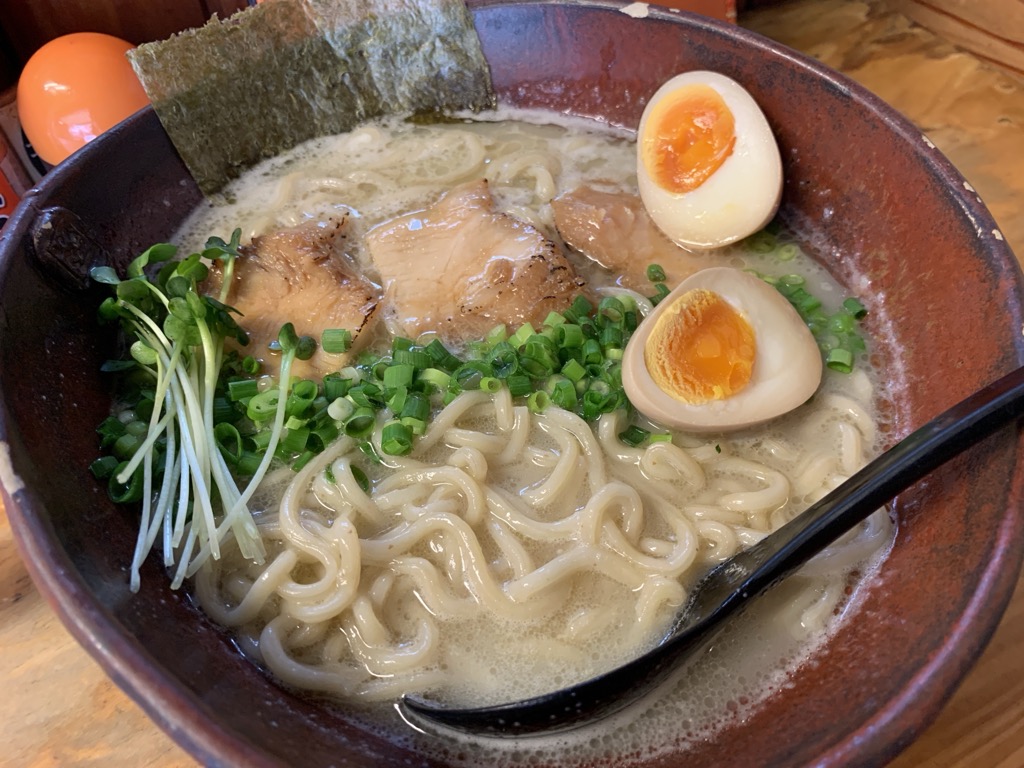
The Aburi Chicken Paitan Ramen adds lightly seared chicken, introducing a subtle smokiness that tightens the roundness of the soup. The fat never dominates, and the aftertaste felt relatively light for a paitan-style ramen.
The name “paitan” often leads people to expect overwhelming richness, but in practice, this bowl was consistently easy to finish without strain.
2. Clear Chicken Broth Ramen (Special, Aburi Chicken, and Salt)
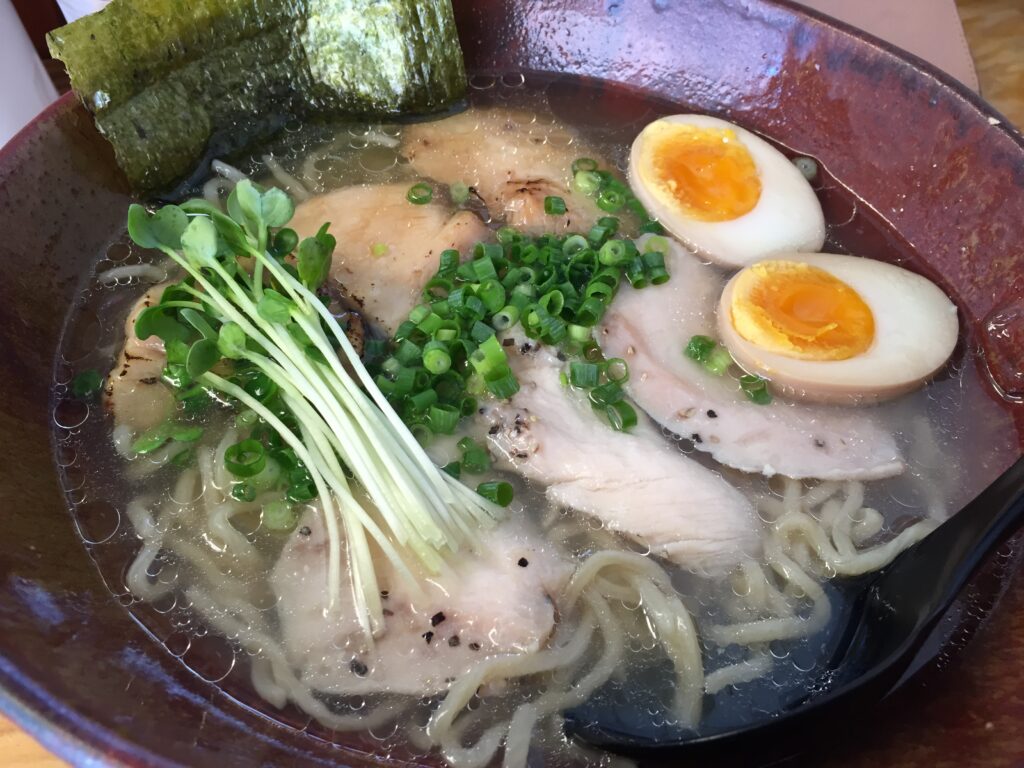
The tanrei, or clear broth, lineup clearly aims in a different direction from paitan, defined by its transparent soup.
In the Special Clear Chicken Ramen, even with many toppings, each component retained its own presence. The sequence of sipping the soup and then eating the noodles felt natural, and the flavor never became tiring midway through.
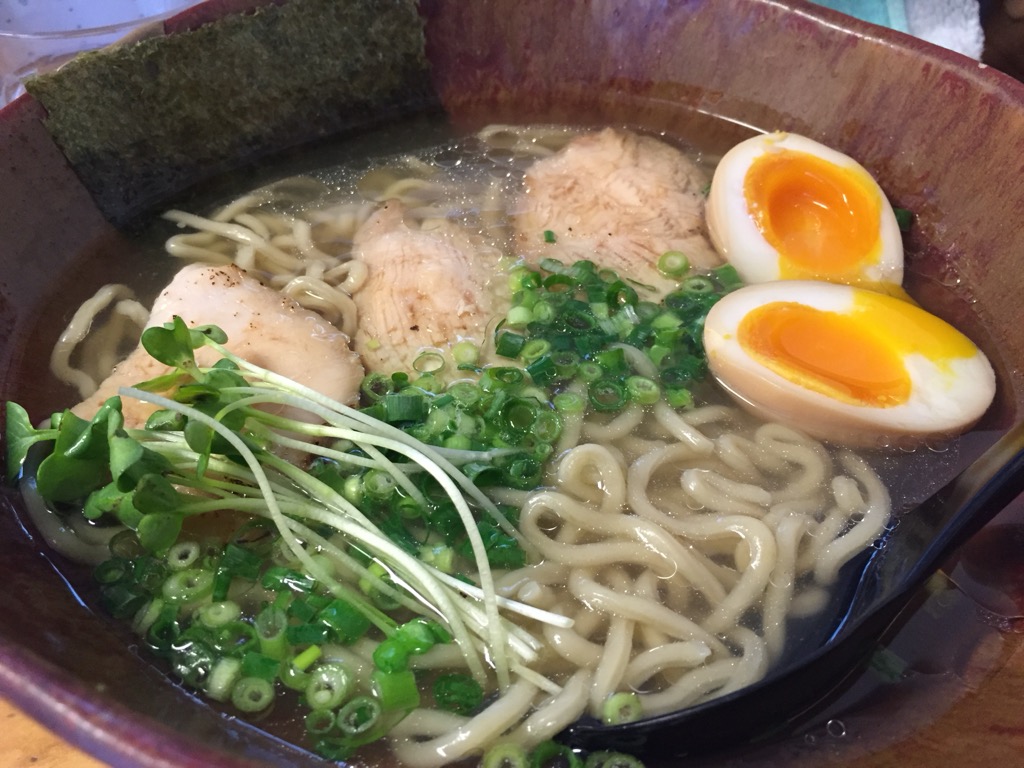
The Aburi Chicken Clear Ramen gains sharper definition from the aroma of seared chicken. Compared to paitan, the finish is cleaner, making it an easy choice even during lunchtime.

The Salt Clear Chicken Ramen keeps the saltiness restrained, functioning mainly to support the natural umami of the chicken. It felt like a bowl that could be enjoyed regardless of physical condition or time of day.
Among all options, the clear broth series remains the most reliable choice—something I could order repeatedly with confidence.
Sponsored
3. Tantanmen (All Toppings, Standard, and Aburi Chicken)
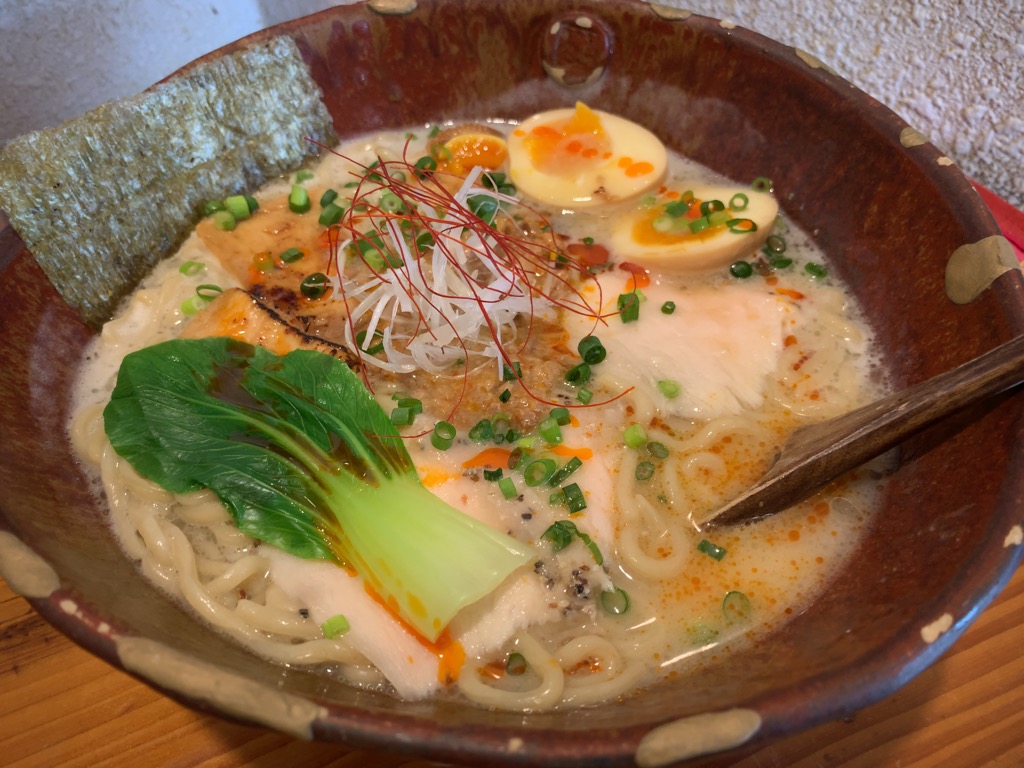
The tantanmen stands apart from the paitan and clear broth styles, built around sesame richness and controlled spiciness.
The All-Toppings Tantanmen naturally slows the eating pace due to its volume, which allowed the soup’s flavor to be assessed calmly rather than rushed.
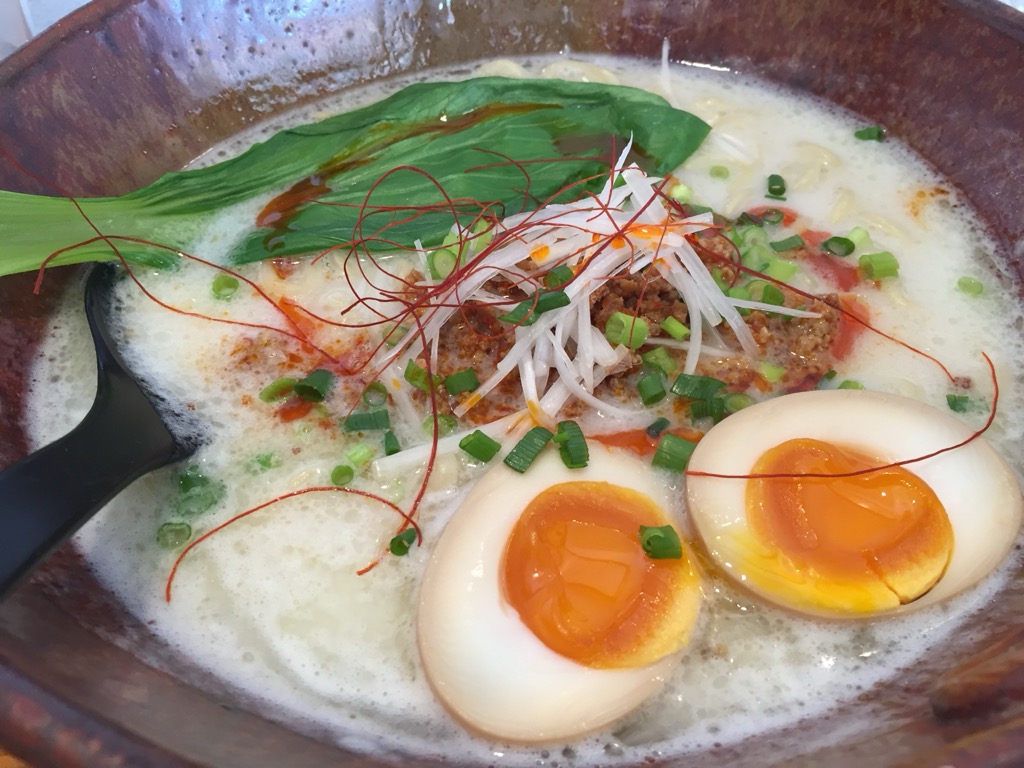
In the standard Tantanmen, the sesame’s mildness comes first, followed by heat. The spice never overwhelms, and the flavor structure remains stable throughout the bowl.
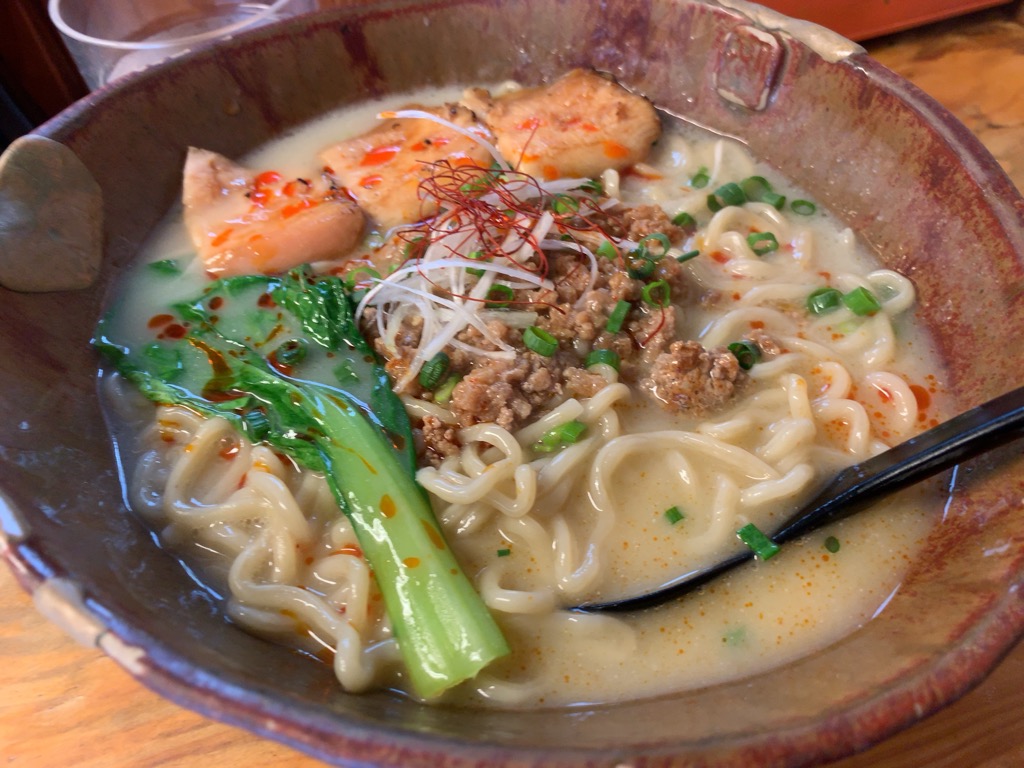
The Aburi Chicken Tantanmen introduces smokiness that slightly lightens the weight of the sesame base. Even for someone sensitive to spice, it was a bowl that could be finished comfortably.
Like the other styles here, the tantanmen does not rely on aggressive intensity. The emphasis is clearly on cohesion and balance.
Shop Information
▼Ishigufu Ramen Shima branch (as of September 2026)
| Shop name | Ishigufu Ramen Shima branch (いしぐふーらーめん 城間店) |
|---|---|
| Address | 3-3-3 Shiroma, Urasoe, Okinawa 901-2133 |
| Phone | 080-4145-1552 |
| Hours | 11:00–16:00 |
| Closed | Mondays, and on national holidays |
| Parking | 3 spaces |
| Reservations | Not accepted (first come, first served) |
| Price range | Roughly ¥800–¥1,200 per bowl |
The shop is open for lunch only, and it closes once the broth sells out. There is no dinner service, so an evening visit is not possible. With only three parking spaces, arriving off-peak makes it much easier to park.
The shop sits in Urasoe, a city just north of Naha. Okinawa has no train network outside the Naha monorail, so getting here realistically means driving or taking a taxi. Hours and closing days can change, so check the official site before travelling.
More Ramen in Okinawa
Okinawa leans heavily on chicken-based ramen, and each shop commits to a clear direction rather than covering everything. If the chicken paitan here suited you, other shops working at similar density are worth a stop.
For a seafood-forward bowl instead of chicken, see the best seafood tsukemen I have had in Okinawa, at Tsukemen Jinbei. The direction is different, but both shops rely on density rather than sharp seasoning to carry the bowl.
If you are working through Japanese noodle shops more broadly, a good kamaage udon place near Nagai Station in Osaka is a useful contrast: same care, completely different bowl.