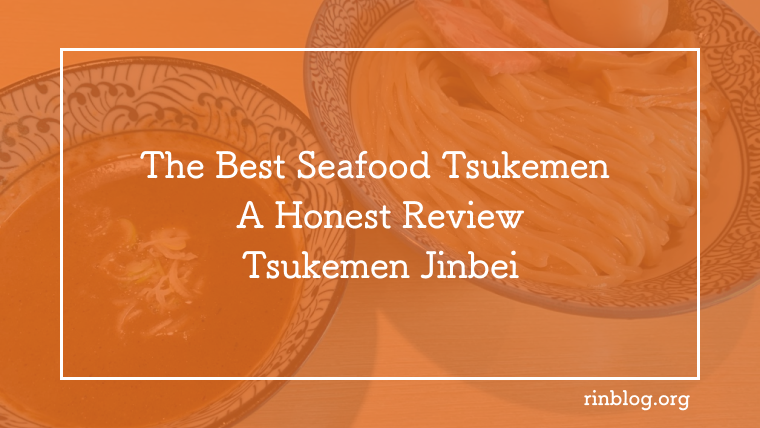
The short answer: the rich seafood chicken and pork tsukemen at Tsukemen Jinbei (つけ麺ジンベエ) is the best seafood tsukemen I have had in Okinawa. It is thick without becoming heavy, and the large size is still finishable. The seafood is assertive enough that you know the direction from the first mouthful.
Tsukemen (つけ麺) is a style where the noodles and the broth arrive separately and you dip each mouthful, rather than the noodles sitting in soup. Because the broth is not diluted by the noodles, it is usually far more concentrated than ramen broth.
I went to Tsukemen Jinbei because I kept hearing the same thing over and over: “If you’re looking for seafood-based tsukemen in Okinawa, this is the place.”
After finishing the bowl, my honest thought was simple and unforced — this might be the best seafood tsukemen I’ve had in Okinawa so far.
This article explains what kind of flavor direction Tsukemen Jinbei is aiming for, why it left such a strong impression on me, and who will most likely enjoy it. Everything here is based on my actual experience eating their signature bowl.
Sponsored
1. The Evaluation Criteria I Used for Flavor and Experience
Before getting into the details, it’s important to clarify how I evaluate tsukemen.
Rather than chasing novelty or shock value, I judge a bowl by standards commonly shared among tsukemen fans:
-
How clear and intentional the flavor profile is as a seafood-based tsukemen
-
Whether the soup is rich but still enjoyable until the last bite
-
How satisfying the portion feels, especially when ordering a large size
-
Most importantly: Would I genuinely want to come back and eat this again?
For me, a great tsukemen isn’t about being flashy. It’s about being something I’d happily eat multiple times without hesitation.
2. Honest Impressions of the Rich Seafood Chicken & Pork Tsukemen (Large, with Ajitama)

A Soup That Makes Its Direction Clear From the First Sip
The dipping soup is undeniably rich. Seafood flavors lead the way immediately, while chicken and pork provide a deep, supportive backbone rather than overpowering the fish.
Yes, it’s heavy — but not in a careless way. From the first sip, it’s obvious what kind of tsukemen this is trying to be. There’s no ambiguity or muddiness in the flavor.
Thick Noodles That Match the Soup Perfectly
The noodles are thick and built to stand up to the soup. They don’t get lost or overwhelmed.
As I kept eating, it became clear that this balance was intentional. With a soup this dense, thinner noodles wouldn’t have worked. Every bite reinforced the feeling that this is exactly how tsukemen is supposed to eat.
Ajitama as a Supporting Player — and That’s a Good Thing
The seasoned egg isn’t trying to steal the spotlight. Instead, it quietly improves the overall experience.
It helps reset your palate mid-meal and keeps the bowl from feeling monotonous. It’s subtle, but effective — the kind of addition that raises satisfaction without calling attention to itself.
Sponsored
3. Portion Size and Satisfaction When Ordering Large
I ordered the large portion, and the quantity is no joke. By the end, I was properly full.
Because the soup is rich, your pace naturally slows in the second half. Still, it never crossed into “too much” territory. For days when you want a solid, filling meal, the large size is a safe choice with little risk of regret.
4. The Aftertaste That Makes You Want to Come Back
What stuck with me most wasn’t just the meal itself, but the feeling afterward.
Not “That was impressive.”
But “Yeah, I’ll probably come back.”
It’s the kind of shop where you start thinking about whether you’d order the same bowl again or try something else next time. Among seafood tsukemen options in Okinawa, this one felt the most natural and convincing to me.
Sponsored
5. Who Tsukemen Jinbei Is Best For
Based on my experience, this shop is especially well-suited for:
-
Fans of rich, seafood-forward tsukemen
-
Anyone searching for a properly bold tsukemen in Okinawa
-
People who want to feel genuinely satisfied after one bowl
-
Those looking for a place they can return to again and again
If you prefer light or delicate ramen, this may feel too heavy. But for its intended audience, it delivers exactly what it promises.
6. Final Verdict: Is Tsukemen Jinbei Worth It?
For me personally, this was the best seafood tsukemen I’ve had in Okinawa.
It doesn’t rely on gimmicks or shock. Instead, it’s the kind of bowl that quietly convinces you that coming back is the right choice.
If Tsukemen Jinbei is on your radar, I recommend starting with their rich seafood chicken & pork tsukemen with ajitama and using that as your benchmark.
Shop Information
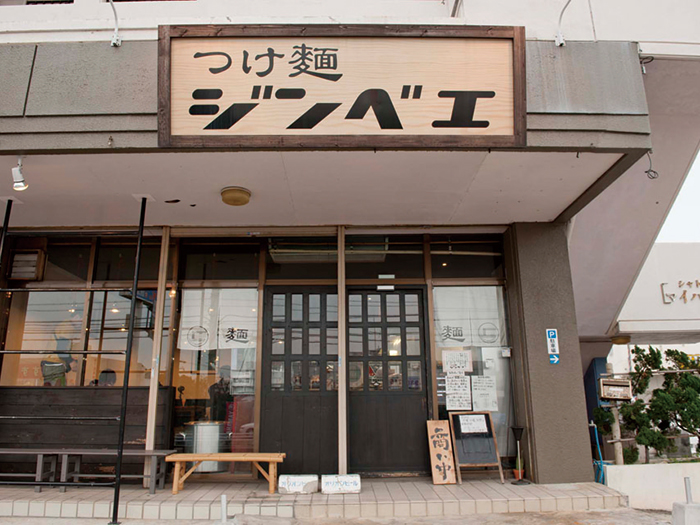
▼Tsukemen Jinbei, Chibana, Okinawa City (as of September 2026)
| Name | Tsukemen Jinbei (つけ麺ジンベエ) |
|---|---|
| Address | 5-13-18 Chibana, Okinawa City, Okinawa 904-2143 |
| Phone | 098-938-1558 |
| Hours | 11:30–15:00 (closes early once the broth sells out) |
| Parking | On site (do not use bays reserved for neighbouring businesses) |
| Category | Tsukemen / Ramen |
| Signature items | Rich seafood chicken & pork tsukemen, ajitama tsukemen |
| Portions | Regular and large (both filling) |
| Price range | Around ¥1,000 |
| Seating | Counter seating, comfortable for solo diners |
| Payment | Cash mainly (at time of visit) |
This is a lunch-only shop, and it closes as soon as the broth runs out. Service ends at 15:00 at the latest, so an evening visit is not possible. Unscheduled closures are announced on the shop’s social media, so check the day’s posts before making the trip.
The shop is in Chibana, Okinawa City, in the central part of the island. Okinawa has no train network outside the Naha monorail, so getting here means driving or taking a taxi. There is parking on site, but bays reserved for neighbouring businesses are off limits.
Cash is still the safer assumption at small ramen shops in Japan, even in 2026. Bring some rather than relying on a card.
More Noodles in Okinawa
Okinawa leans heavily toward chicken-based broth, and shops that put seafood front and centre are the exception. If the seafood weight at Jinbei suited you, comparing it against a chicken-led shop makes the difference obvious.
For the chicken side of that comparison, see Ishigufu Ramen Shima branch, where paitan, clear broth and tantanmen are all built on chicken. Both shops aim for density, but they get there from opposite directions.
If you are working through noodle shops in Japan more widely, a good kamaage udon place near Nagai Station in Osaka is a useful contrast in the other direction: minimal broth, maximum noodle.