A Reader’s Review of Tamako-san and Kikei-kun: An Uncomfortable Light Novel That Refuses Easy Answers
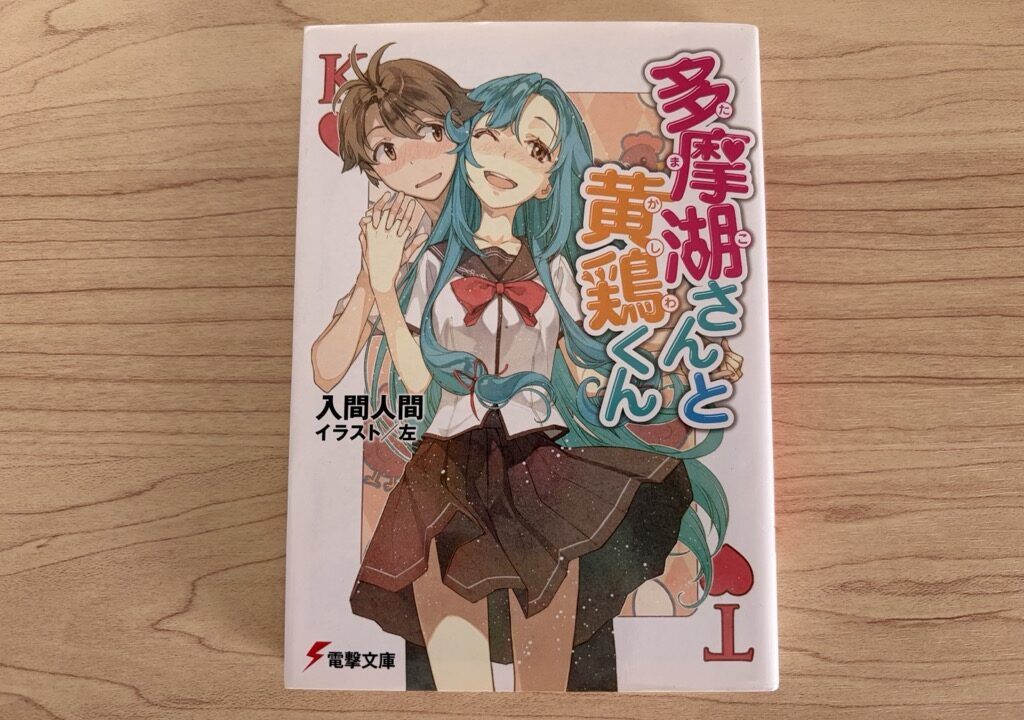
This article reflects on Tamako-san and Kikei-kun from the perspective of a reader who finished the novel and was left with lingering discomfort rather than clarity.
Instead of judging the book by its themes or narrative devices, I focus on where I personally hesitated, felt uneasy, and failed to fully accept what was unfolding.
What this article explains:
-
How the novel’s narrative voice creates both intimacy and distance
-
Why the relationship between the two main characters feels persistently unsettling
-
What kind of aftertaste the story leaves once it ends
Who this article is for:
This novel may strongly resonate with readers who are comfortable engaging with unconventional character dynamics and unresolved emotional tension. If you expect emotional payoff or clear moral conclusions, this book will likely challenge you.
The impressions below are based on three consistent evaluation criteria:
-
Narrative voice and stylistic distance
-
Character behavior and relational dynamics
-
Lingering discomfort and unresolved aftertaste
All observations are grounded in these shared critical lenses.
1. Narrative Voice and the Unusual Sense of Distance
From the opening pages, what stood out to me was how the narration manages to feel both close and detached at the same time.
The prose is restrained and matter-of-fact, rarely spelling out emotions in explicit terms. Yet the events themselves frequently press directly against the reader’s ethical instincts.
One striking aspect is how the protagonist reflects on his own actions. Moments that might normally invite regret or self-judgment are presented without commentary. The narration simply states what happened and how it felt, then moves on.
Because of this, interpretation is left almost entirely to the reader. I found myself reading smoothly, yet constantly asking whether empathy was appropriate. That internal hesitation became part of the reading experience itself.
2. The Unease Created by the Relationship Between Tamako and Kikei
At the center of the novel is the distorted relationship between Tamako and Kikei. From early on, their dynamic is presented as normal within the story’s world, almost as if their roles are already fixed.
Kikei is clearly led and controlled by Tamako, yet he does not actively resist the situation. At the same time, Tamako is not portrayed as a purely unaware aggressor. Her dominance is evident, but not simplified into villainy.
This moral ambiguity is what gradually intensified my discomfort. Rather than enjoying their interactions, I began to question how much of this relationship could—or should—be accepted.
The repetition of similar interactions reinforces this feeling. Even when I understood their narrative necessity, I couldn’t shake the sense of returning to the same emotional place again and again, without progress or release.
3. The Lingering Discomfort After Finishing the Book
What remained strongest after I finished reading was a sense of unresolved dissatisfaction.
The story is structurally coherent, and its internal logic holds. Still, it did not feel “complete” in the way many readers might expect.
One reason is that the characters never fully articulate their relationship. Moments of realization or growth—common in character-driven fiction—are deliberately withheld.
Because of this, readers approaching the novel as a story of growth or transformation may feel misled. To me, it felt less like a narrative of change and more like a sustained observation of a fixed, unyielding relationship.
That unresolved quality is precisely what made the experience memorable. Even after closing the book, I found myself reconsidering how I should interpret what I had witnessed.
4. Who This Novel Is—and Is Not—For
Tamako-san and Kikei-kun is not a universally recommendable light novel.
Readers seeking emotional catharsis or clear moral framing will likely find it frustrating.
However, it may strongly appeal to those who:
-
Enjoy closely observing character relationships rather than rooting for growth
-
Do not mind lingering emotional unease after finishing a story
-
Are comfortable with narratives where good and bad are never cleanly separated
Personally, I hesitate to say that I “liked” this novel in a simple sense. Still, if asked whether I’m glad I read it, my answer would be yes.
Conclusion: Is It Worth Recommending?
This is a novel that clearly chooses its readers. For those willing to prioritize discomfort over reassurance, it can leave a deep and lasting impression.
If you value stories that force you to sit with unresolved feelings and take your own interpretation home, this book is worth considering.
On the other hand, if you prefer a reading experience built around emotional safety and clear identification, some caution is advised.
Approached with the right expectations, this novel will leave you with something that refuses to fade quickly.