The Melancholy of Haruhi Suzumiya Vol.1 Review What Kind of Light Novel Is It Really
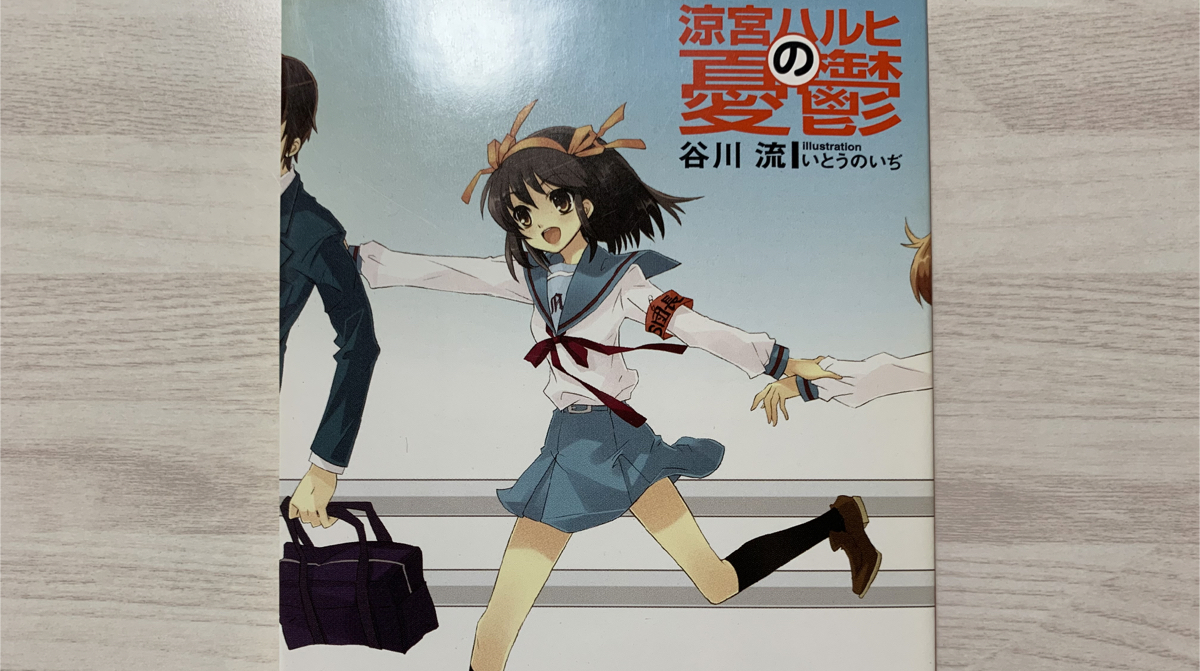
The Melancholy of Haruhi Suzumiya Vol.1 Review What Kind of Light Novel Is It Really
I had known the title The Melancholy of Haruhi Suzumiya for years, but until I actually read the first volume, I honestly did not have a clear idea of what kind of story it was.
Because it is such a famous light novel series, I assumed it must be entertaining. At the same time, I was slightly unsure whether I would enjoy the tone that light novels often have. I started reading with that mix of expectation and hesitation.
What stayed with me after finishing the first volume was a strong sense that this was very different from what I had imagined. This was not a story driven by flashy battles or an obvious coming-of-age arc. Instead, it felt grounded in everyday life, slowly building a sense of discomfort and subtle tension that quietly pulls the reader forward.
This article focuses on my personal reading experience with the first volume. It is written to help you understand what kind of atmosphere the story has and whether it might suit your taste.
- 1. The Reading Criteria I Used for This Review
- 2. A Spoiler-Free Overview of the Story
- 3. The Atmosphere and Pacing That Left the Strongest Impression
- 4. My Impression of Haruhi Suzumiya as a Character
- 5. The Aftertaste and the Meaning of “Melancholy”
- 6. Who This Novel Is Likely to Suit
- 7. Final Verdict Is the First Volume Worth Reading
1. The Reading Criteria I Used for This Review
When reading the first volume, I focused on the following points.
-
The overall mood and pacing of the story
-
Whether the first-person narration felt comfortable to read
-
The emotional distance between characters and how their conversations felt
-
What kind of aftertaste remained once the book was finished
Rather than judging the story by plot twists or clever world-building, I paid attention to how it felt while reading and what lingered afterward. Everything in this review is based on that perspective.
2. A Spoiler-Free Overview of the Story
The first volume follows an ordinary high school boy who becomes involved with an unusually eccentric classmate named Haruhi Suzumiya. Through her presence, he gradually steps into a space where the line between the everyday and the abnormal begins to blur.
The opening is surprisingly calm. Nothing dramatic happens right away. Instead, the story builds through small moments where you sense that something is slightly off. A comment here, an action there—each one adds to a growing feeling that the normal rules do not fully apply.
The novel relies more on dialogue and narrative rhythm than on spectacle, which gives it a distinctive reading experience.
3. The Atmosphere and Pacing That Left the Strongest Impression
What stood out to me most was the protagonist’s first-person narration. His voice is ironic and detached, but not completely cold. That emotional distance shapes the tone of the entire novel.
The pacing feels light, yet never rushed. There are many scenes driven by conversation, with minimal explanation. At times, you may not fully understand what is happening, but the writing keeps you reading anyway. That slightly disorienting flow felt intentional and effective.
Whether this narrative style works for you will greatly influence how you feel about the book.
4. My Impression of Haruhi Suzumiya as a Character
Haruhi Suzumiya is undeniably a difficult character. Some of her actions come across as self-centered, and there are moments when empathy does not come easily.
However, I never felt that the story forced me to like her. The narrative does not excuse or glorify her behavior. Because everything is filtered through the protagonist’s perspective, the reader shares his confusion and frustration. That shared distance makes her compelling rather than simply unpleasant.
Whether you like her or not, she is a character that holds your attention.
5. The Aftertaste and the Meaning of “Melancholy”
After finishing the book, the word “melancholy” in the title felt different to me. The story is not dark, but it leaves behind an unsettled feeling—something unresolved.
Not everything is explained. Some elements make sense by the end, while others remain unclear. That mix creates an emotional residue that stays with you. For some readers, this may spark curiosity for what comes next. For others, it may feel unsatisfying.
6. Who This Novel Is Likely to Suit
Based on my experience, this book may appeal to readers who:
-
Enjoy light novels focused on dialogue and atmosphere
-
Like first-person narration with a dry or ironic tone
-
Are drawn to stories where the boundary between normal life and the strange is unclear
-
Appreciate unresolved feelings and lingering questions
On the other hand, readers who strongly prefer fast-paced plots, clear explanations, or immediate emotional payoff may find it less appealing.
7. Final Verdict Is the First Volume Worth Reading
For me, the first volume of The Melancholy of Haruhi Suzumiya is a book that resonates deeply with the right audience. If you expect a conventional light novel, it may feel confusing. But if you are curious about a story with an unusual mood and narrative voice, it is worth trying.
It may not be a book that makes you say “That was amazing” the moment you finish it. Still, it leaves something behind. I found myself thinking about it afterward and wondering what would come next.
If you choose novels based on atmosphere and narration rather than spectacle, this first volume is a solid starting point.