The Boredom of Haruhi Suzumiya Review A Short Story Collection That Defines the Series’ Quiet Core
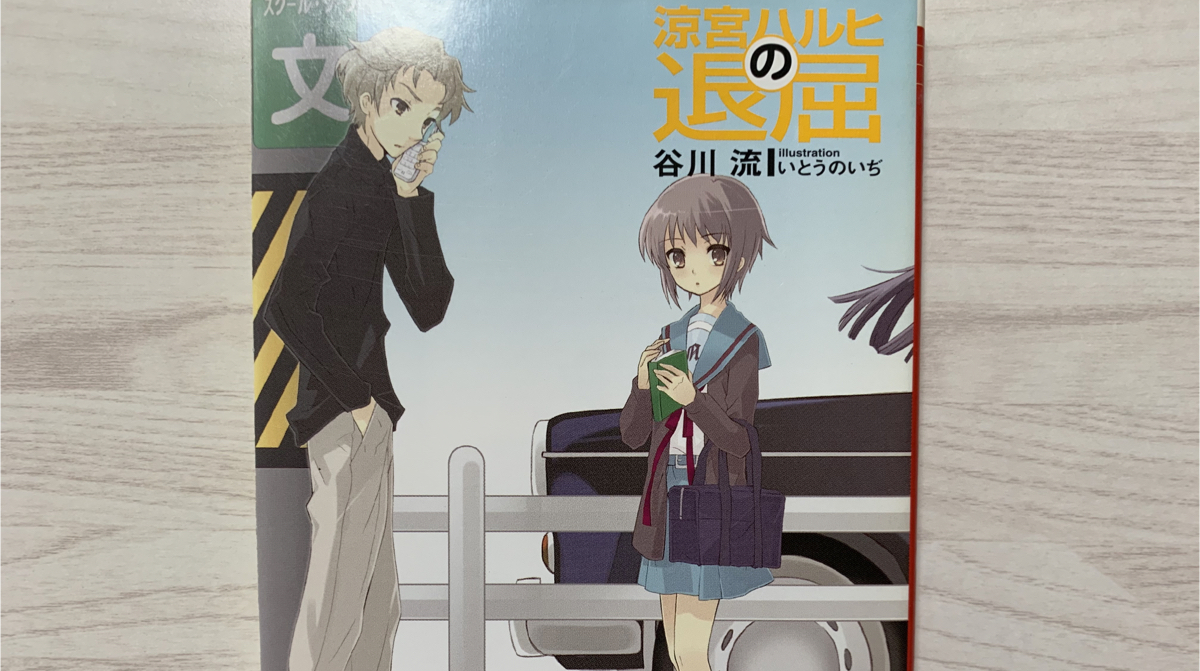
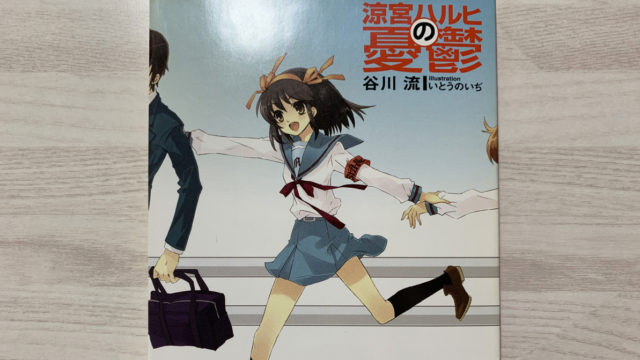
The Boredom of Haruhi Suzumiya occupies a unique position within the Haruhi Suzumiya light novel series.
Rather than pushing the story forward with a single large-scale incident, this volume presents four short stories that capture fragments of the SOS Brigade’s everyday life.
The book is intentionally restrained. Its appeal does not come from shock value or constant escalation, but from how clearly it shows character relationships, group dynamics, and the importance of “uneventful time” within the world of the series.
This article explains what kind of book The Boredom of Haruhi Suzumiya is, why its short-story structure matters, and who will appreciate it most.
It is written for readers who want to understand whether this volume fits their tastes, not just where it sits in the series chronology.
1. The Evaluation Criteria Used in This Review
This review is based on three core criteria that emerged strongly while reading the book:
-
How the short-story format reveals the everyday rhythm of the SOS Brigade
-
How each episode naturally highlights different character roles without forcing focus
-
How “boredom” itself functions as a stabilizing force in the story world
From this perspective, The Boredom of Haruhi Suzumiya can be understood as a collection that reveals the core of the series by deliberately portraying calm, ordinary moments.
2. What Kind of Book The Boredom of Haruhi Suzumiya Is
This volume is the third installment in the Haruhi Suzumiya light novel series and is structured as a short story collection.
The four stories are set across spring, summer, and early autumn, covering periods between larger narrative arcs.
Unlike the longer novels, there is no single overarching plot. Instead, the book focuses on what the SOS Brigade does when no major crisis appears to be unfolding. This makes the setting and character interactions easier to observe, especially for readers interested in atmosphere rather than spectacle.
3. Impressions of Each Short Story
3-1. The Boredom of Haruhi Suzumiya – An Extension of Everyday Absurdity
This story begins with a casual decision by Haruhi to enter a baseball game as a way to kill time. The motivation is trivial, which perfectly matches her character.
While the situation escalates in scale, the most striking element is not surprise but familiarity. It feels like a normal day for the SOS Brigade, just with unusually high stakes beneath the surface.
The contrast between an amateur team and a highly skilled opponent is entertaining, but what lingers is the effort happening behind the scenes to prevent things from spiraling out of control.
This episode quietly demonstrates how precarious the group’s “normal life” actually is.
3-2. Bamboo Leaf Rhapsody – Quiet Emotions Across Time
This story involves a time-related incident triggered by a Tanabata event. Although it uses classic science fiction elements, the focus is not on technical explanations.
What stands out is the emotional continuity across different points in time. By the end, the story leaves a strong impression that everything may have been shaped by a single moment and its consequences.
When revisited after reading later volumes, this episode gains additional weight. It works on its own, but its value deepens when viewed as part of the larger series structure.
3-3. Mysterique Sign – The Loneliness Beneath the Incident
On the surface, this episode follows a small-scale mystery. However, the true emotional center lies elsewhere.
The story subtly suggests the loneliness of Yuki Nagato, a character who usually operates silently and independently. There is a moment that implies a desire not to solve everything alone, but together with the group.
Whether this interpretation is intentional or subjective is unclear. What matters is that the story leaves enough space for the reader to sense emotional depth.
Among the four stories, this one left the strongest emotional aftertaste.
3-4. Island Syndrome – Haruhi Suzumiya Through a Mystery Lens
This episode adopts the structure of a classic isolated-island mystery. Readers expecting a rigorous detective story may find it underwhelming.
However, the true purpose of the episode lies elsewhere. Rather than solving the mystery itself, the story emphasizes how Haruhi behaves and how the people around her adapt to that behavior.
As a result, the ending feels consistent with the series’ identity. It is a slightly experimental story that works precisely because it is short.
4. What Remains After Reading the Collection
Taken together, these four stories do not highlight a single protagonist’s triumph. Instead, they reinforce the idea that the SOS Brigade functions as a group.
Different characters stand out in different episodes, but the emotional center always returns to the collective.
The recurring theme is clear: maintaining boredom requires effort, and someone is always working behind the scenes to keep things from breaking.
This structure becomes especially clear in a short story format.
5. Who This Book Is For
The Boredom of Haruhi Suzumiya is well suited for readers who:
-
Enjoy the characters of the Haruhi Suzumiya series
-
Prefer atmosphere and character interaction over constant escalation
-
Like short stories with distinct tones and pacing
Readers looking for nonstop action or dramatic plot twists may find the book understated.
6. Final Verdict
The Boredom of Haruhi Suzumiya is one of the quieter entries in the series, but that restraint is its greatest strength.
It offers a clear look at everyday life within an unstable world, revealing character relationships and emotional undercurrents that longer arcs sometimes overlook.
For fans of the series who value mood, structure, and subtlety, this short story collection is well worth reading.