SanSanNana Tsukemen Review: Rich Chicken & Niboshi Dipping Noodles Compared
This article explains what makes SanSanNana’s tsukemen distinctive, focusing on the balance between chicken-based broth and dried sardine (niboshi) flavor.
It is written for readers who want a clear, experience-based review of a popular Japanese tsukemen shop, especially those interested in rich dipping noodles with defined flavor profiles.
I stopped by SanSanNana, a tsukemen specialty shop in Kawasaki, almost by chance. The restaurant is known for promoting what it calls the “golden ratio” of chicken and niboshi, and it has built a strong reputation around rich, full-bodied dipping noodles.
Before visiting, I reviewed the menu structure, price range, and general characteristics. What follows is not a theoretical overview, but an honest account based on actually eating two of their signature bowls: Nibanshibori (Rich) and Ajitama Ichibanshibori.
1. Eating the Nibanshibori (Rich) Tsukemen

The first bowl I tried was the Nibanshibori (Rich) tsukemen. As the name suggests, richness is the defining feature here.
The dipping broth is built on a chicken base, reinforced with niboshi and vegetable umami. Its texture is noticeably thick, almost coating the noodles when dipped. The noodles themselves are thick and wheat-forward, with a firm bite that releases aroma as you chew.
Rather than feeling heavy in a one-dimensional way, the flavor unfolds with balance. The depth of chicken umami and the aroma of niboshi spread evenly across the palate. Each bite leaves a lingering presence, which steadily builds a sense of satisfaction as you eat.
A practical detail worth mentioning is that the regular (200g) and medium (300g) portions are priced the same. I chose the medium portion, and the rich broth paired well with the larger volume of noodles without becoming monotonous. Toward the end, I asked for a soup-wari (broth dilution), which softened the intensity and allowed the chicken and niboshi notes to come through more gently.
2. Eating the Ajitama Ichibanshibori
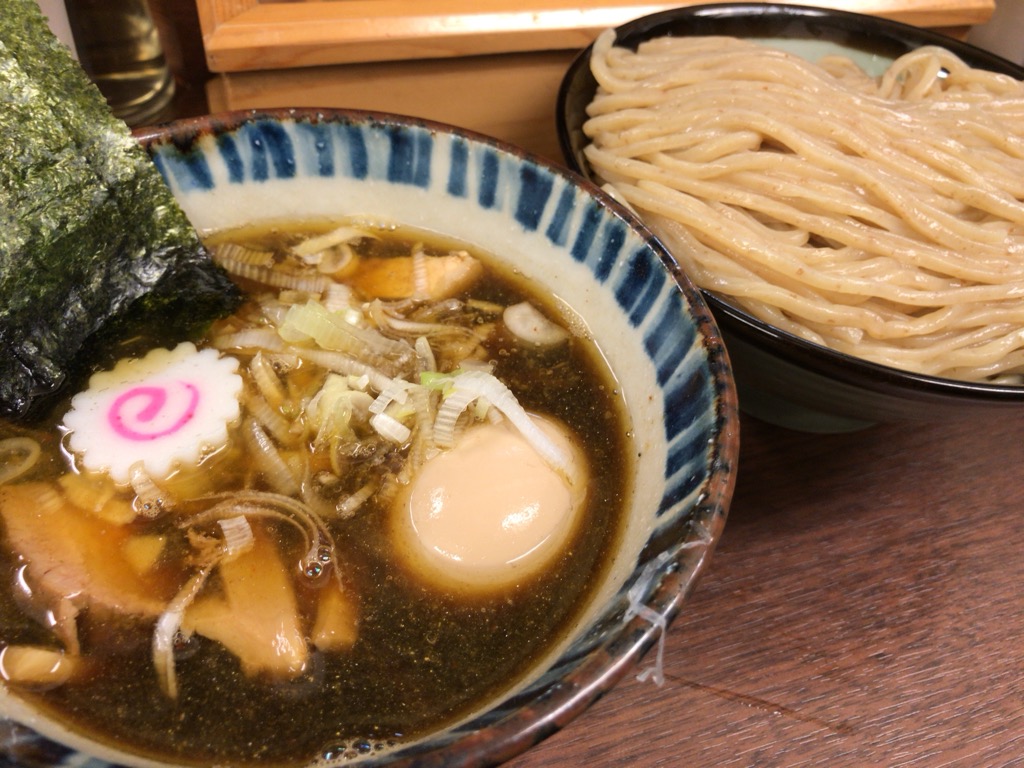
The second bowl was Ajitama Ichibanshibori. This version highlights a cleaner, more direct niboshi aroma compared to the richer Nibanshibori.
The seasoned egg (ajitama) adds a clear contrast. When bitten, the yolk releases a mild sweetness and balanced saltiness, acting as a smooth accent alongside the noodles.
Because the niboshi aroma is more upfront, the aftertaste feels lighter. Even after finishing a rich bowl beforehand, this tsukemen did not feel overwhelming. The addition of the ajitama helps unify the dish and improves overall ease of eating.
To me, this bowl worked well as an option that still delivers depth while avoiding heaviness. It suits both diners who enjoy niboshi-forward flavors and those who want a cleaner finish without sacrificing character.
3. My Honest Takeaway
The Nibanshibori stood out for its combination of a dense, well-balanced dipping broth and thick, aromatic noodles. Even at a medium portion, it delivered a high level of satisfaction, especially for someone who genuinely enjoys rich tsukemen.
On the other hand, Ajitama Ichibanshibori presented a clearer expression of niboshi, with the seasoned egg providing a gentle textural and flavor contrast. The ability to choose between these two styles depending on mood is one of SanSanNana’s strengths.
That said, both bowls lean firmly toward richness and pronounced niboshi aroma. For diners who are sensitive to heavy flavors, this style may feel intense. Personally, I found the experience rewarding, but preference will ultimately depend on how much richness and dried fish aroma one enjoys.
Restaurant Information
Restaurant Name: SanSanNana
Cuisine: Tsukemen / Ramen
Address: 9-7 Ogawacho, Kawasaki-ku, Kawasaki City, Kanagawa, Japan
Access: About 10 minutes on foot from JR Kawasaki Station (East Exit), about 7 minutes from Hatchonawate Station
Business Hours:
-
Weekdays: 11:00–15:00 / 17:00–22:00
-
Weekends & Holidays: 11:00–22:00 (last order applies)
Closed: None
Price Range: Approximately ¥950–¥1,400 for tsukemen (Nibanshibori, Ichibanshibori, etc.)