Ramen Hiiragi in Nagasaki A Personal Take on Tomato Ramen and Aosa Seaweed Ramen
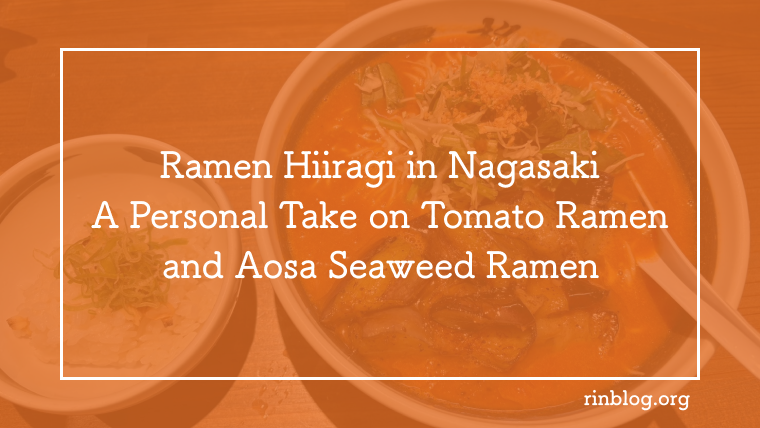
Walking through Nagasaki, I found myself thinking, “I want ramen, but not something heavy today.”
That was the moment I stepped into Ramen Hiiragi.
I didn’t write this right after eating. Instead, I’m looking back after a bit of time has passed, asking myself what actually stayed with me from that meal. Because of that, this article focuses less on scores or technical details and more on how the ramen felt while I was eating it—and how it sat with me afterward.
In this article, I share my honest experience with:
-
Tomato Ramen with extra eggplant
-
Aosa Seaweed Ramen
-
A small bowl of clam rice
If you’re wondering what kind of ramen Ramen Hiiragi serves, or whether its style might suit your own taste, this should help you picture it naturally.
1. The Criteria I Use to Judge Ramen and the Dining Experience
Before getting into each dish, it’s important to be clear about the standards I’m using to evaluate this experience.
When I think about ramen, I consistently focus on:
-
Whether the flavor direction is clear and intentional
-
The balance between richness and overall comfort
-
How complete the meal feels, including toppings and side dishes
-
Whether I feel like I might want to come back on a different day
Rather than asking whether a ramen is “rich” or “light” in isolation, I care more about whether that direction feels comfortable and satisfying to me. Everything below is based on these criteria.
2. Who Ramen Hiiragi Is Likely For
To summarize upfront, Ramen Hiiragi felt well suited for people like this:
-
Those who want something different from classic tonkotsu or soy-based ramen
-
Ramen lovers who sometimes find very heavy bowls tiring
-
People who enjoy unconventional ideas, as long as the dish still works as a proper meal
On the other hand, it may not fully satisfy:
-
Anyone looking for bold, punchy, ultra-rich ramen
-
Those who strongly believe ramen should stick to traditional forms
The direction here is distinct, and that’s something worth knowing before you go.
3. Tomato Ramen with Extra Eggplant
3.1 First Impression
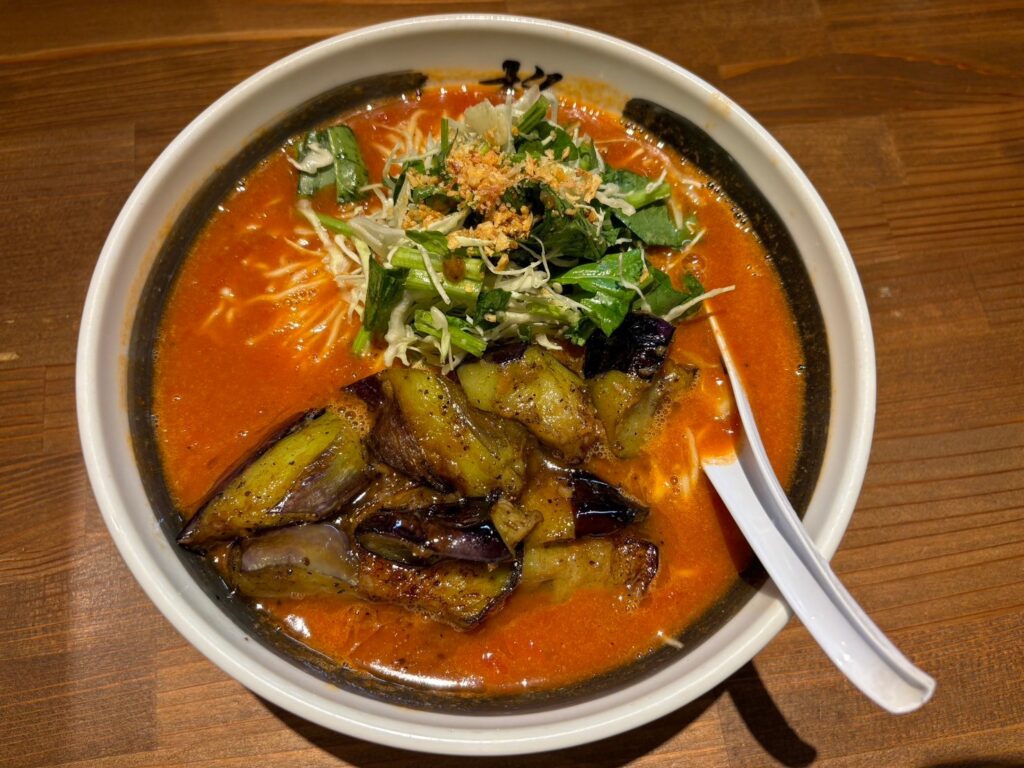
The first dish I tried was the tomato ramen with extra eggplant.
Visually, it already signals that this isn’t a typical ramen bowl. The soup has a noticeable red hue, and the presence of tomato is unmistakable.
That said, it never felt like it was drifting toward pasta territory. To me, it clearly stayed within the ramen framework—just extended in a different direction.
The tomato acidity was controlled and integrated, not sharp or overwhelming.
3.2 Eating Experience and Flavor Balance
What stood out immediately was how light it felt.
Despite the tomato base, the soup didn’t tire my palate, even as I kept drinking it.
Adding extra eggplant turned out to be the right choice for me. It contributed:
-
A gentle richness
-
Textural variation
without disrupting the overall balance. The eggplant blended naturally into the soup rather than competing with it. It felt intentional, not decorative.
3.3 When This Ramen Makes Sense
This tomato ramen felt especially suitable for:
-
Days when you want a lighter meal
-
Times when you crave ramen but don’t want something that weighs heavily on your stomach
If you’re in the mood for an aggressively filling bowl, it might come across as understated. But that restraint is also its strength.
4. Pairing It with the Small Clam Rice
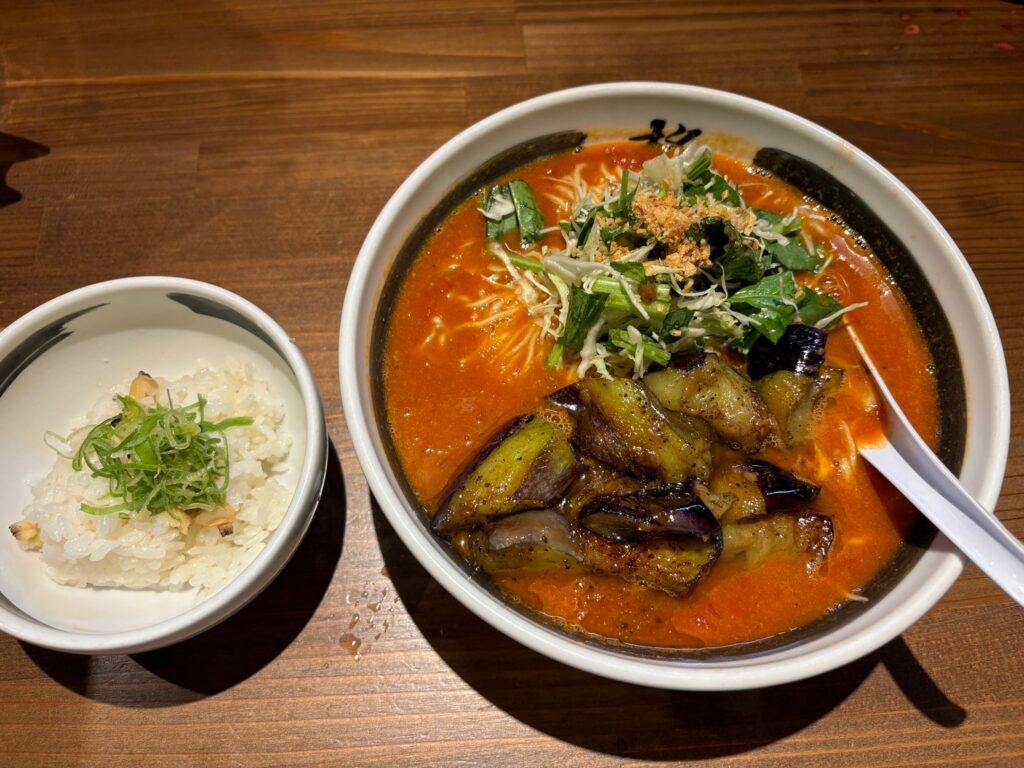
Alongside the tomato ramen, I ordered the small bowl of clam rice.
As the name suggests, it’s truly a small portion. It doesn’t try to take center stage. Instead, it quietly supports the ramen.
The clam flavor was subtle and restrained, adding depth without interfering with the main dish. For me, it worked perfectly on days when:
-
The ramen alone feels slightly too light
-
A full-sized rice bowl feels unnecessary
It completed the meal without shifting its balance.
5. Aosa Seaweed Ramen
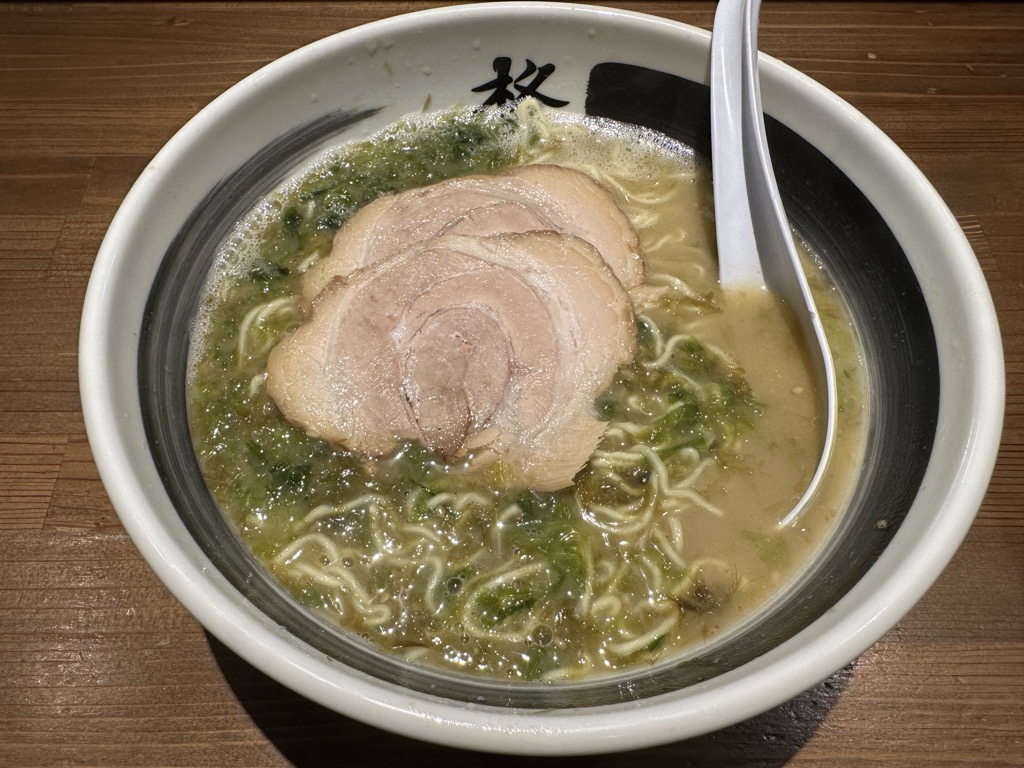
5.1 Flavor Direction
On a different visit, I tried the aosa seaweed ramen.
Compared to the tomato ramen, this bowl moves in a completely different direction.
The overall impression is clean and calm. The aroma and flavor of aosa seaweed lead the experience, bringing a gentle marine note that spreads naturally through the soup.
5.2 How It Felt to Eat
This was a ramen I’d describe as “quietly good.”
Nothing jumps out aggressively, but everything feels consistent.
I could drink the soup comfortably until the end without any sense of heaviness or fatigue. Personally, it felt well suited for:
-
Days when I’m mentally or physically tired
-
Situations where I want something satisfying but low on stimulation
6. Is Ramen Hiiragi Worth Recommending?
Ramen Hiiragi isn’t a place I’d recommend to everyone without hesitation.
However, for people who:
-
Appreciate thoughtfully designed ramen with a clear concept
-
Feel like “today is a day for this kind of flavor”
it can leave a lasting impression.
I wouldn’t say it’s a shop I’ll visit constantly, but it is one I can imagine recalling when my mood aligns with its style. Both the tomato ramen and the aosa seaweed ramen may divide opinions, but that’s exactly why they’re worth trying at least once and judging through your own senses.
If you’re in Nagasaki and looking for a ramen experience that steps slightly outside the usual patterns without losing coherence as a meal, Ramen Hiiragi is worth keeping in mind.