Short version: Shokuenbou is where you go in Nagasaki Shinchi Chinatown when you want good Chinese food without queuing. It skips the lines at famous names like Kozanro and Shikairo, and the cooking gives up nothing. The champon broth here actually finished cleaner than the ones I have had at the busier places.
Nagasaki’s Chinatown has a reputation for being packed with tourists, and on a weekend the well-known restaurants have long queues as a matter of course. This is the place to know if you want to eat Chinese food calmly instead.
It opened on December 24, 2023, and carries no large sign and no one calling customers in from the street. Below are the five dishes I ate and what I thought of them.
Sponsored
What kind of restaurant is it? Location, access, hours
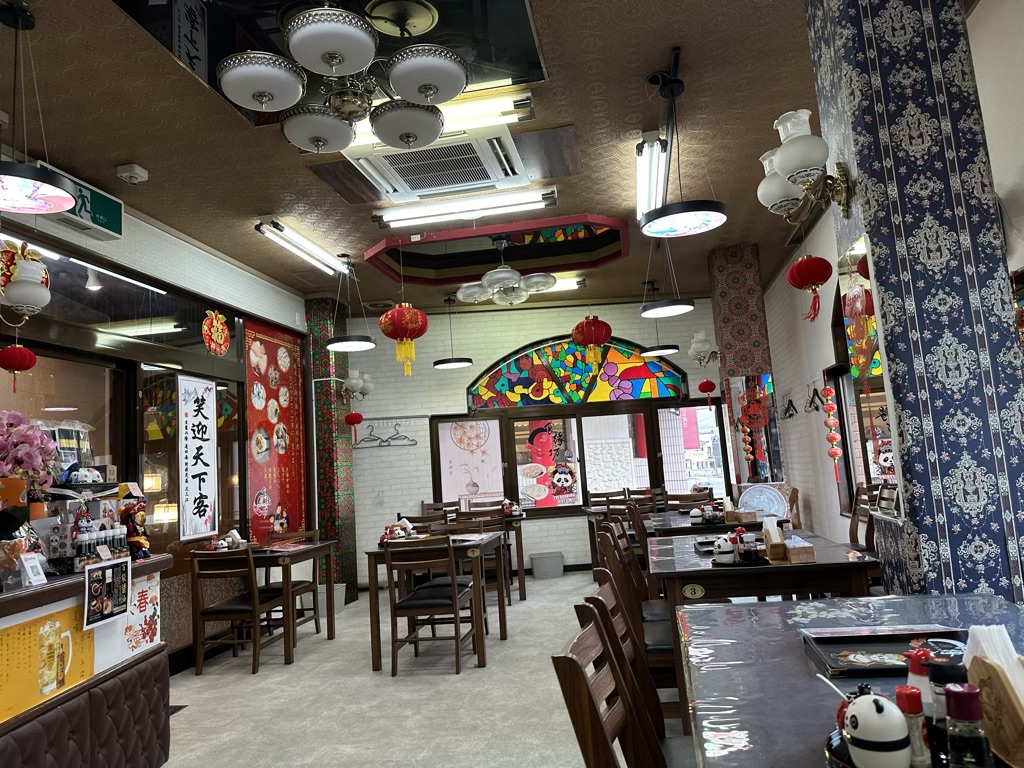
A Chinese restaurant on the second floor of the Hayashi Building, inside Chinatown. The atmosphere is easy to walk into, and it feels more like somewhere locals go than a tourist stop. The room is small, with a handful of tables. That is exactly why you can take your time.
| Name | Shokuenbou |
|---|---|
| Address | Hayashi Building 2F, 12-4 Shinchimachi, Nagasaki |
| Phone | 090-9480-7518 |
| Access | About 208 m from Shinchi Chinatown tram stop (roughly a 3-minute walk) |
| Hours | Lunch 11:00-15:00 (L.O. 14:30) / Dinner 17:00-21:00 (L.O. 20:30) |
| Closed | Irregular |
| Typical spend | 1,000-1,999 yen |
| Payment | Cards and QR payments accepted |
| Parking | None (paid parking nearby) |
| Opened | December 24, 2023 |
Under 2,000 yen in the middle of Chinatown is a good deal by any measure. The official Chinatown listing gives the hours as a continuous 11:00-21:00, so if the mid-afternoon break matters to you, call ahead.
Nagasaki champon: a clean finish
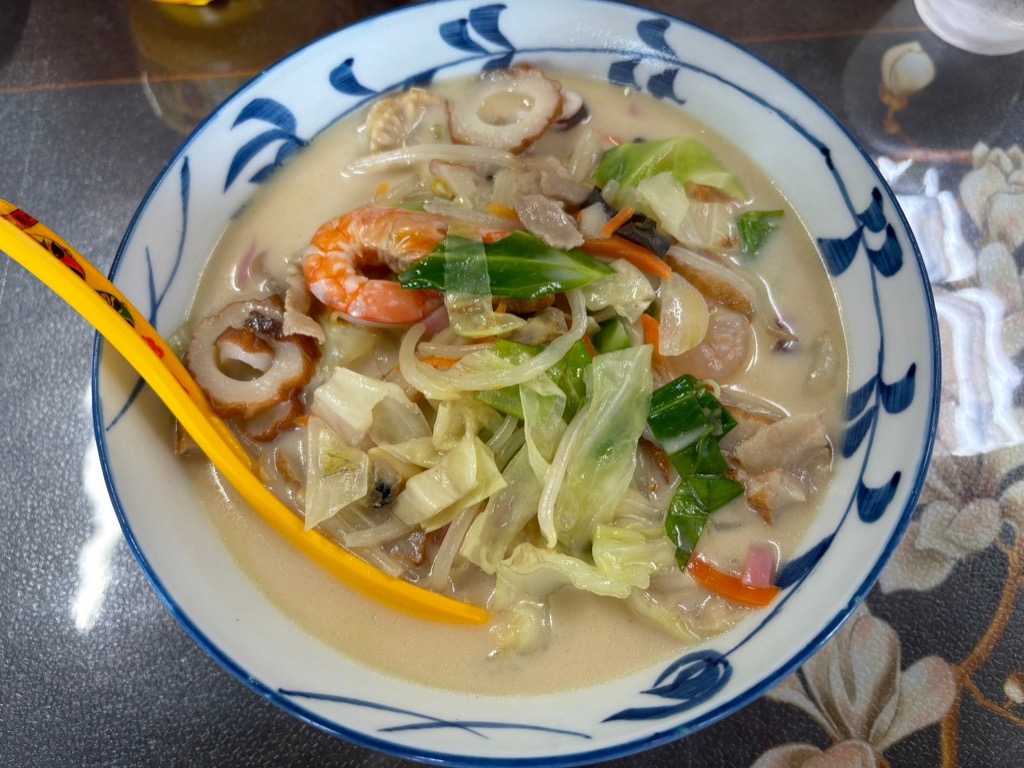
The cloudy white broth was milder than expected. It is not the heaviness aimed at visitors but something a local could eat regularly. Plenty of vegetables, with the umami of seafood coming through gradually.
Honestly, the finish is far cleaner than at the restaurants with queues outside, and it left me wanting to come back.
For a different take on noodles in Nagasaki, I also wrote about the tomato and aosa ramen at Ramen Hiiragi. That one is the curveball; this one is the standard, done carefully.
Sponsored
Char siu fried rice: balanced salt and oil
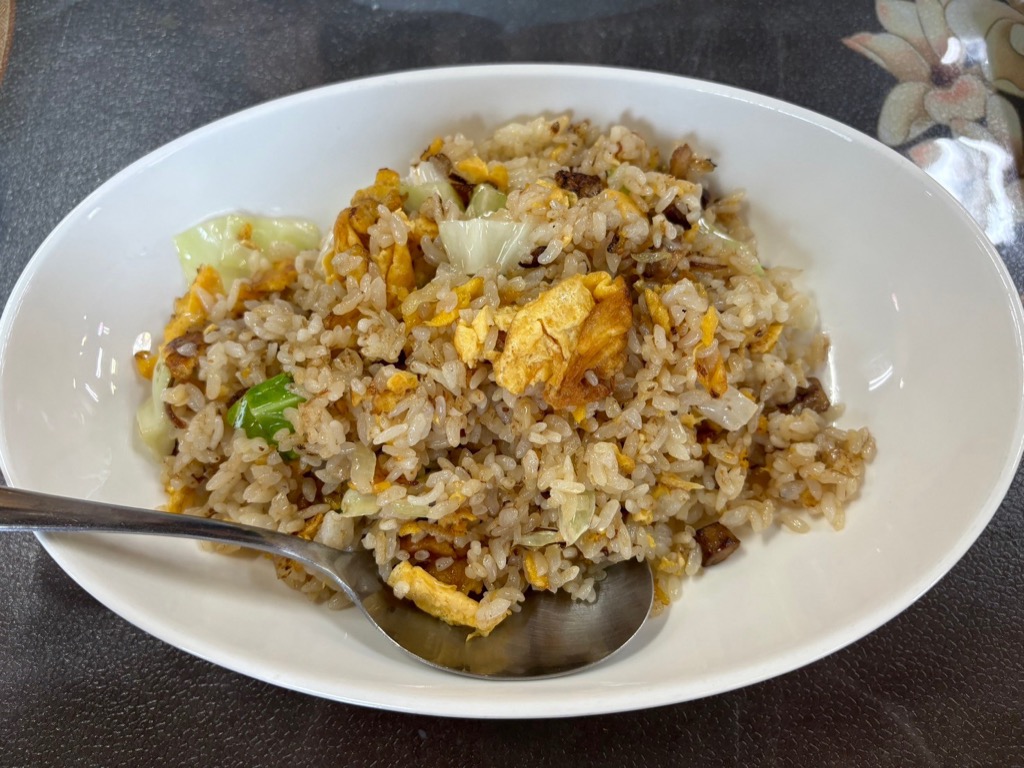
This comes as part of the lunch set. The grains stay separate while the umami of the char siu soaks through, which pairs well with anything soup-based. The portion is not excessive, so it shares easily.
It avoids the coarse, over-seasoned fried rice common in tourist districts — the salt and oil are both restrained. It is easy to see why some people rate it above the champon and sara udon.
Shrimp shumai: thin wrapper, dominant filling
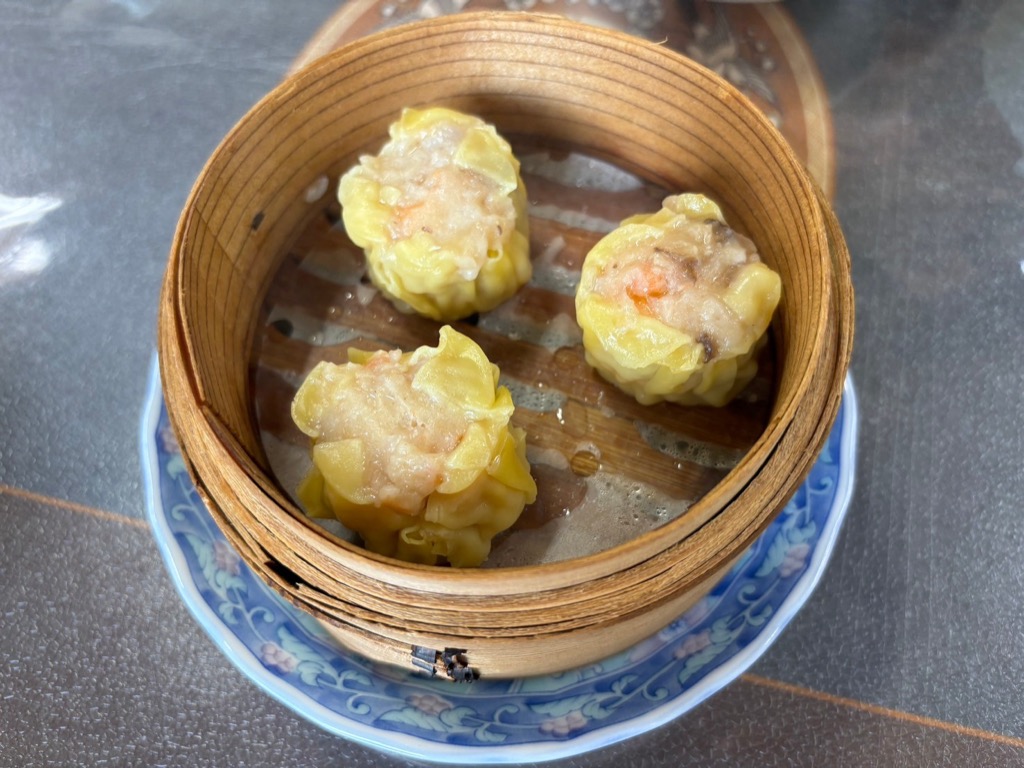
The dim sum choice was shrimp shumai. Large pieces of shrimp burst in the mouth, giving a satisfaction that a pork-only shumai does not. The aroma rising with the steam does a lot of the work.
Thin wrapper, filling front and center — simple, but memorable.
Sponsored
Hatoshi: fried, but not heavy
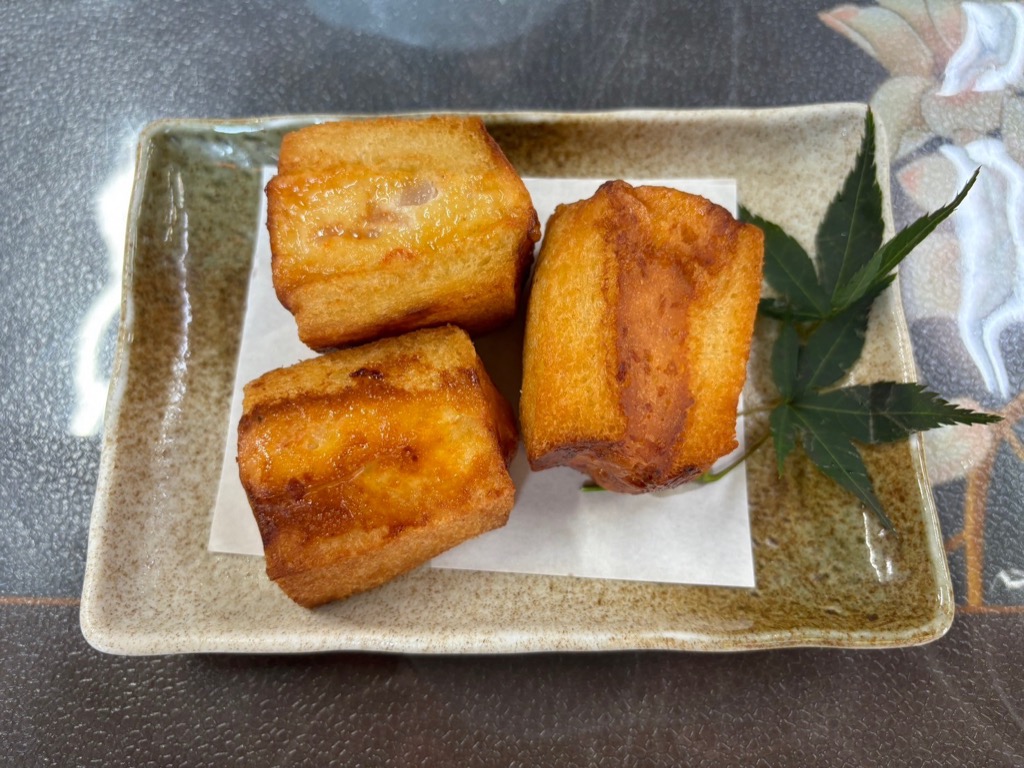
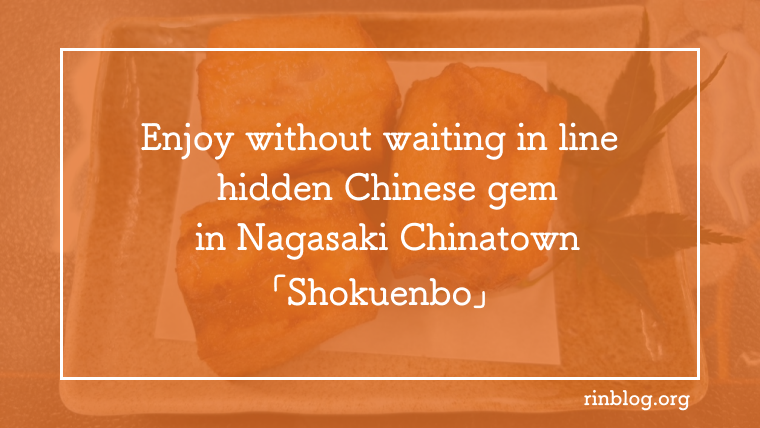
Hatoshi is a Nagasaki specialty: shrimp paste sandwiched in bread and deep fried. Crisp outside, soft inside, and surprisingly light. It goes very well with beer or shaoxing wine.
Despite being fried it never sits heavily, so it works as a proper dish rather than street-food filler. Worth ordering once if you are in Nagasaki.
Almond tofu: the finish is not an afterthought
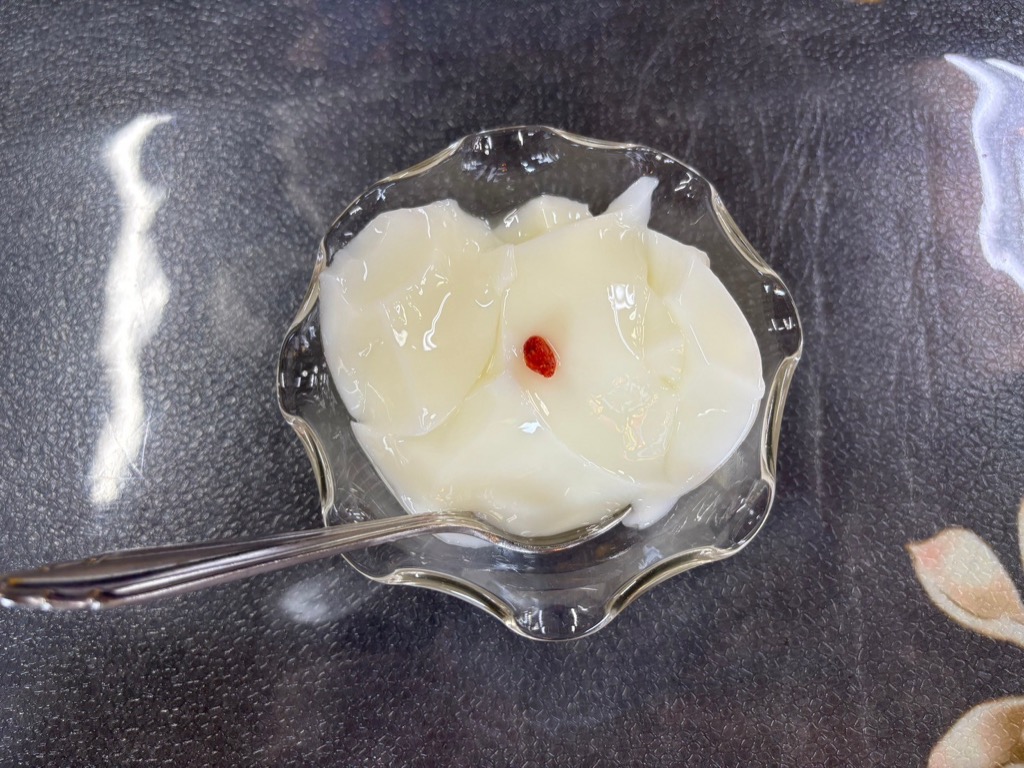
Almond tofu is the standard Chinese dessert. Properly chilled, it dissolves the moment it hits your mouth. Rich but clean on the finish, which is exactly right after champon and fried rice.
Restaurants where the dessert is genuinely good are rarer than they should be, so being able to end the meal well counts for a lot.
The name is explained on the first page of the menu
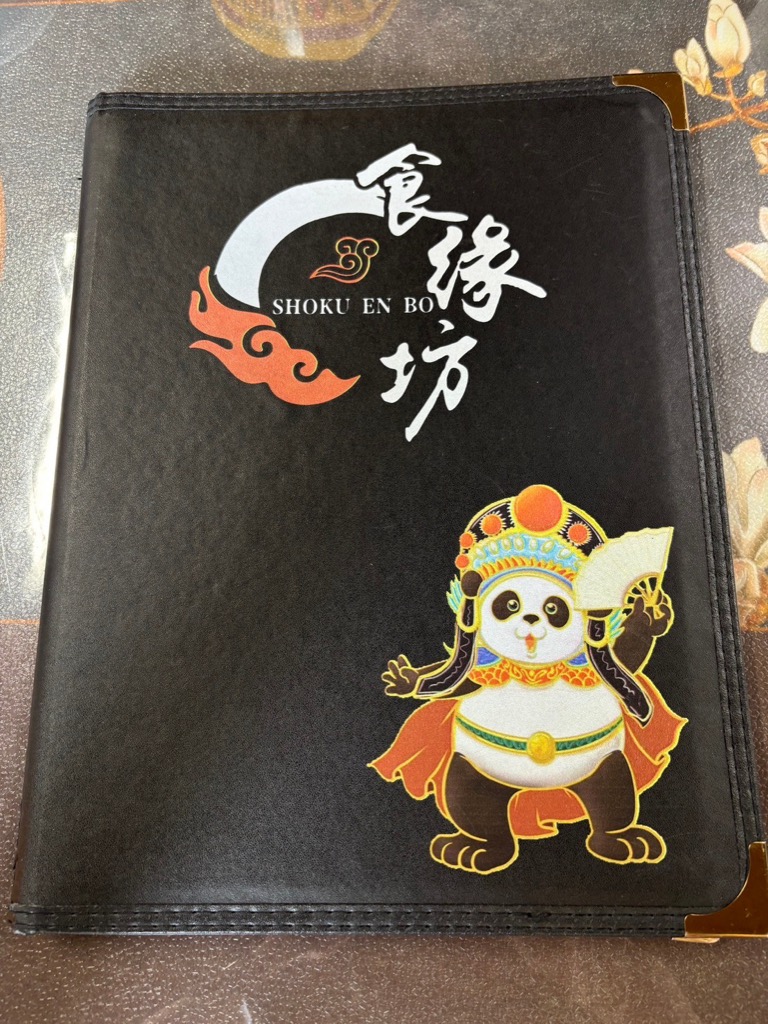
Open the menu and the first page explains where the name comes from.
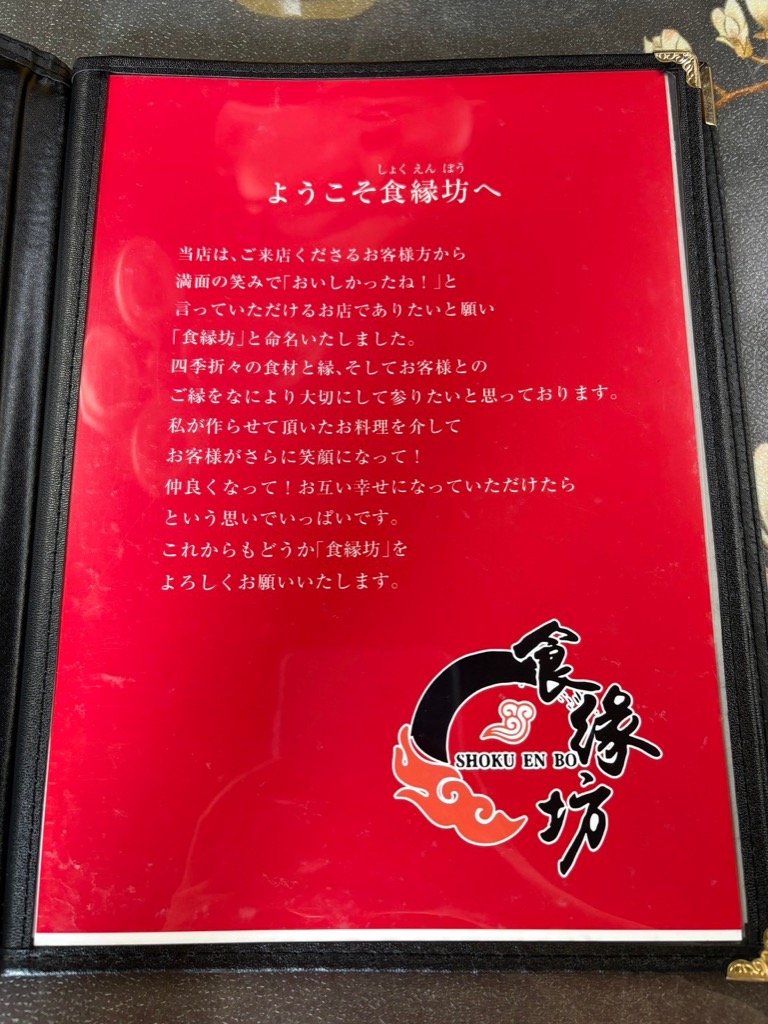
“We want to be a restaurant where our guests break into a full smile and say ‘that was delicious’.” That wish is what produced the name Shokuenbou. It goes on to talk about valuing seasonal ingredients, connection, and the bond with each guest — en, the character in the middle of the name, means exactly that.
The cook working the kitchen was from Dalian, China, and notably warm. Reading those two pages made it clear why the Nagasaki-style adaptations and the mainland technique coexist here.
Summary
- Shokuenbou is on the 2nd floor of the Hayashi Building in Nagasaki Shinchi Chinatown (opened December 24, 2023)
- For people who want to skip the queues. Budget 1,000-1,999 yen
- The champon has a cloudy broth that still finishes clean
- The char siu fried rice is balanced, not the coarse tourist version
- Hatoshi, the local fried shrimp toast, is light enough to work as a real dish
- Even the almond tofu is careful. The meal does not tail off at the end
- Cards and QR payments work. There is no parking
You can have both “the taste of Nagasaki” and “the quality of the mainland” without standing in line — that is what makes this place worth knowing.