Hakobune by Haruo Yuki A Quiet Novel About Emotional Undercurrents and Lingering Aftertaste
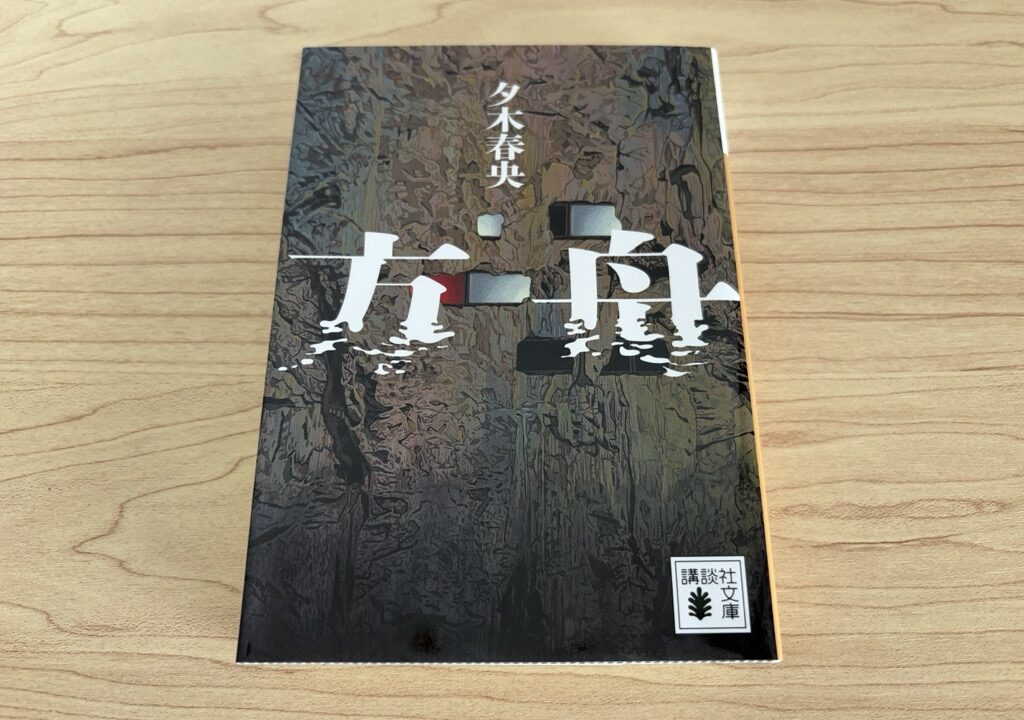
When I finished reading Hakobune, the first thought that stayed with me was simple: this was not a story about events, but about emotional movement.
If you approach it expecting dramatic twists or clear catharsis, the experience may feel unexpectedly restrained. But if you enjoy novels that let you observe how human feelings shift over time, often in silence, this book leaves something behind that doesn’t fade quickly.
In this article, I’m writing purely as a reader who has spent time with the book, not as a critic. My goal is to help you understand what kind of novel Hakobune is, and whether it might suit your reading preferences. I avoid major spoilers, so even if you haven’t read it yet, you can decide comfortably.
1. The Criteria I Used While Reading
Before getting into specific impressions, I want to be clear about how I approached this novel.
These were the points I paid the most attention to:
-
The overall atmosphere and emotional temperature of the story
-
How characters’ emotions shift in small, subtle ways
-
The aftertaste left once the book is finished
Rather than evaluating clever plot mechanics or dramatic reveals, I focused on how the story felt while reading and what lingered afterward. Everything below follows that perspective.
2. What This Article Explains
By reading this article, you’ll understand:
-
What kind of atmosphere Hakobune has as a novel
-
How it feels in terms of pacing and readability
-
What type of reader is likely to appreciate it
-
Whether I personally recommend it, and in what context
This is not an exhaustive breakdown. It’s meant to help you decide whether you want to read the book in the first place.
3. Who This Novel Is For
Based on my reading experience, Hakobune feels well-suited for readers who:
-
Prefer internal character focus over dramatic external events
-
Enjoy stories that leave room for reflection after finishing
-
Are comfortable with novels that don’t provide clear, explicit answers
On the other hand, if you value fast pacing, constant tension, or obvious emotional payoff, this book may feel too quiet for your taste.
4. General Premise and Atmosphere (No Spoilers)
At its core, Hakobune follows people placed in a specific, limited situation, spending time together within constrained circumstances.
There is no constant escalation of incidents, and the narrative does not rely on repeated shocks to hold attention.
What stood out to me was the atmosphere: not overtly tense, but never fully calm either. While reading, I often felt a low-level unease—an ongoing sense of wondering whether the situation was truly stable. That emotional ambiguity defines the tone of the novel as a whole.
5. Emotional Movement That Left the Strongest Impression
5.1 Change That Emerges Because Nothing Explodes
There are very few moments where emotions erupt dramatically. Instead, small hesitations, unspoken doubts, and minor shifts quietly accumulate.
At times I caught myself thinking:
-
“That line feels slightly off.”
-
“This silence probably matters.”
Reading Hakobune often meant pausing internally, paying attention rather than being pulled forward. For me, that careful pace felt both comforting and, occasionally, faintly suffocating.
5.2 Understanding at a Distance, Not Full Identification
Rather than deeply identifying with the characters, I felt I was observing them while trying to understand.
I couldn’t fully share their emotions, but I couldn’t dismiss them either. That emotional distance felt intentional and aligned with the novel’s core themes.
6. What Stayed With Me After Finishing
Immediately after finishing the book, I didn’t feel refreshed or resolved.
Instead, I was left thinking, “How should I take this?”
What surprised me was that this uncertainty didn’t disappear. The story surfaced in my thoughts more than once afterward. That lingering presence became the most memorable part of the experience.
To me, Hakobune felt less like a story that hands you an answer and more like one that gives you space to keep thinking.
7. Do I Recommend Hakobune? My Conclusion
Personally, I’m glad I picked up Hakobune when I was in the mood for a quiet, reflective read that values atmosphere and emotional nuance.
That said, it’s not a novel I would recommend universally. Readers who resonate with its slow tempo and understated tone may find it deeply rewarding, while others may feel disconnected.
If you’re looking for a novel that makes you pause after reading, that prioritizes emotional depth over spectacle, Hakobune is worth considering.