Authentic Yakiniku Offal in Fukuoka: A Firsthand Experience at a Local Horumon Grill in Ijiri
This article explains what it is like to eat at a local horumon (Japanese offal yakiniku) restaurant near Ijiri Station in Fukuoka, based on an actual dining experience.
It is written for readers who are interested in Japanese yakiniku culture, especially those who want to understand how different offal cuts are enjoyed in practice rather than through menus or reviews alone.
The following impressions are not a guide or ranking, but a reflection on how the meal unfolded, what stood out while eating, and how the experience felt when looked back on afterward.
- 1. Starting the Meal with Vinegared Motsu (Gatsu)
- 2. Understanding Each Cut Through the Assorted Horumon Platter
- 3. The Rhythm of Grilling Tongue and Pork Belly
- 4. Comparing Premium Red Horumon, Loin, and Mino
- 5. The Experience of Eating While Grilling
- 6. Final Thoughts After the Meal
- Restaurant Information
1. Starting the Meal with Vinegared Motsu (Gatsu)
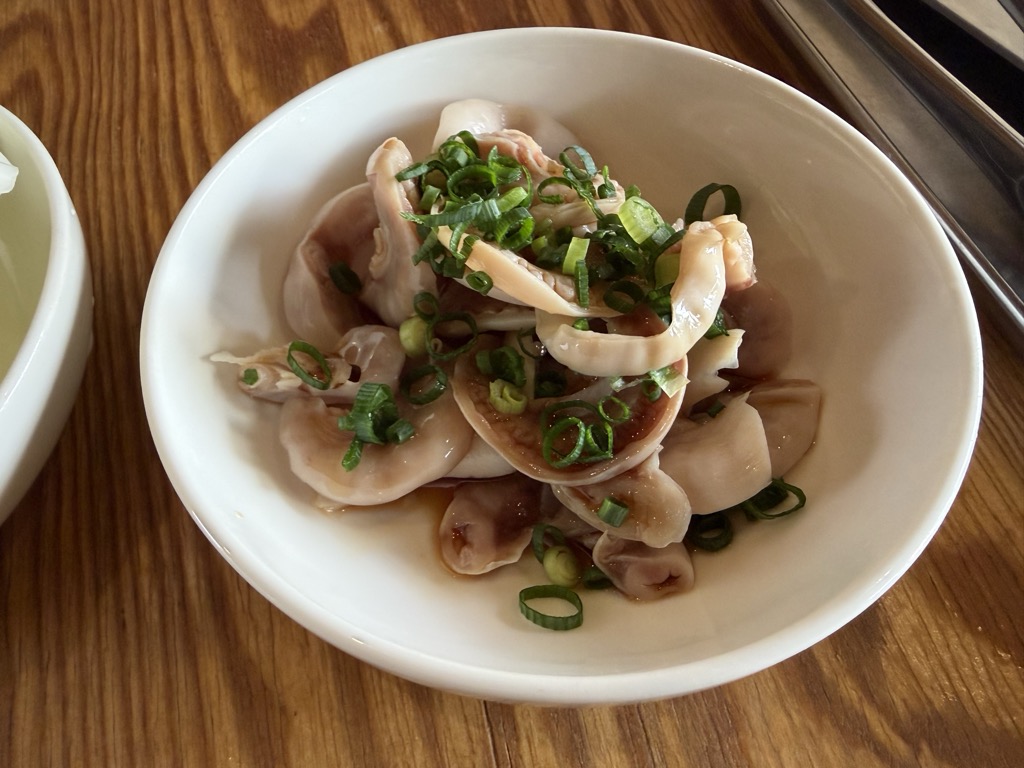
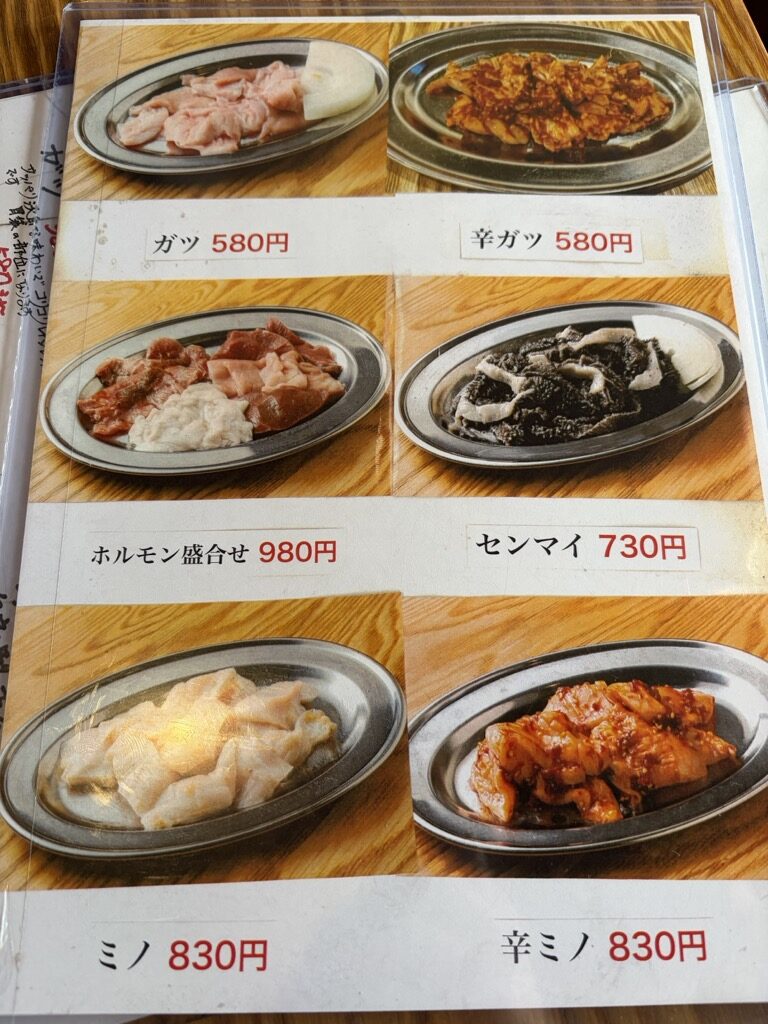
The meal began with vinegared motsu made from gatsu (pork stomach). The pieces were finely cut and slightly translucent, and the first bite delivered a firm, crisp texture. The acidity was restrained and clean, never lingering on the palate.
Rather than standing out as a strong-flavored dish, it worked as an opener. The chewy texture naturally slowed the pace of eating, and between bites of grilled meat, it acted as a reset for the mouth. As a starting point before moving on to the grill, it felt well placed.
2. Understanding Each Cut Through the Assorted Horumon Platter
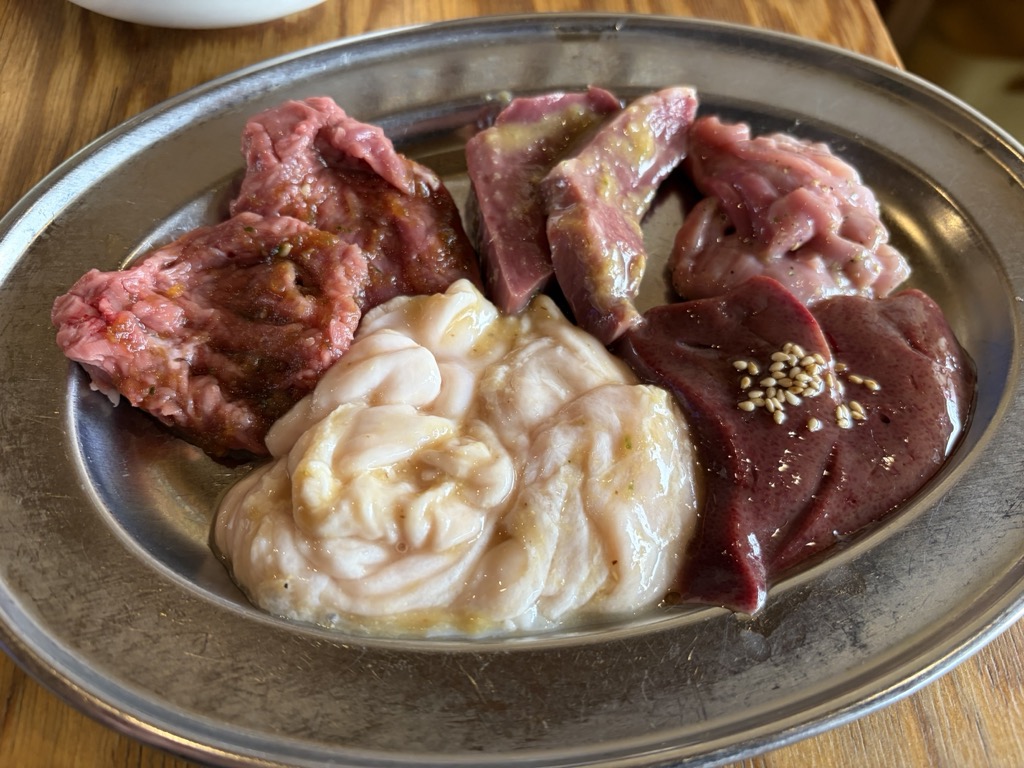
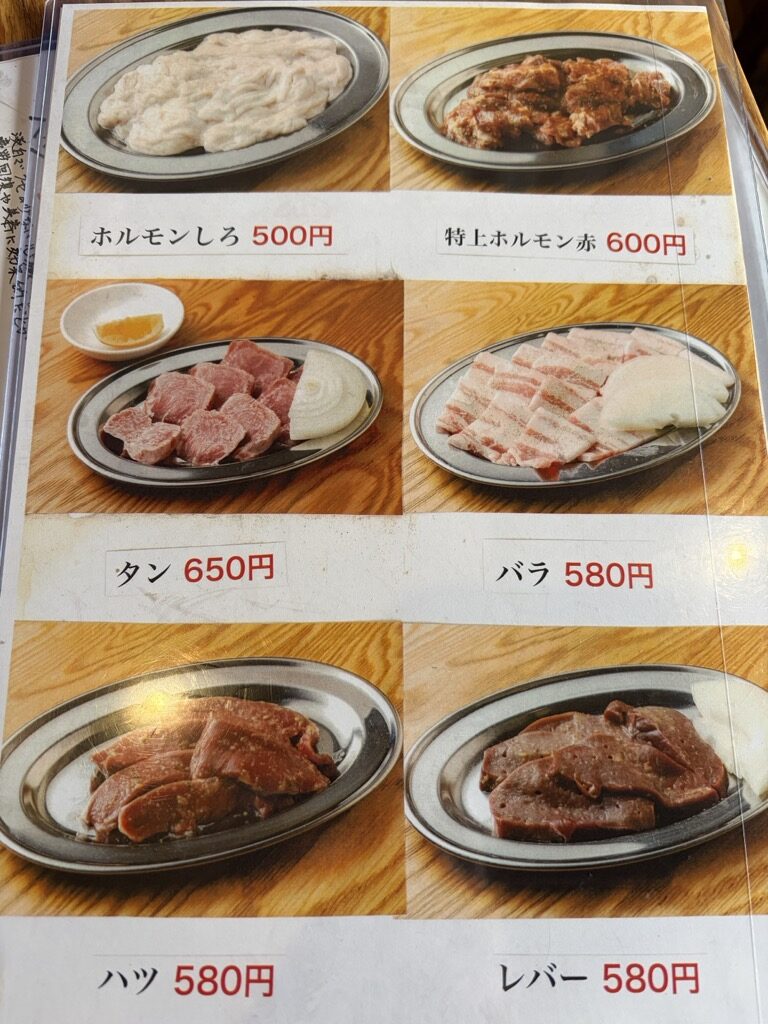
The assorted horumon platter included white horumon (fatty intestines), premium red horumon, heart, liver, and gatsu. Even before grilling, the differences in texture and appearance were obvious, encouraging a more deliberate approach to each cut.
The white horumon released a rich aroma as it cooked, and careful grilling was essential to avoid rendering out too much fat. When timed correctly, the sweetness of the fat spread gently across the palate.
The premium red horumon delivered a clear, meaty flavor on the first bite, with a balance between fat and lean that made it especially memorable. The heart was clean and easy to eat, making it a natural pause between richer bites. The liver remained moist even when fully cooked, with its bitterness noticeably subdued. Gatsu stood out for its firmness, adding contrast and preventing the platter from feeling monotonous.
3. The Rhythm of Grilling Tongue and Pork Belly
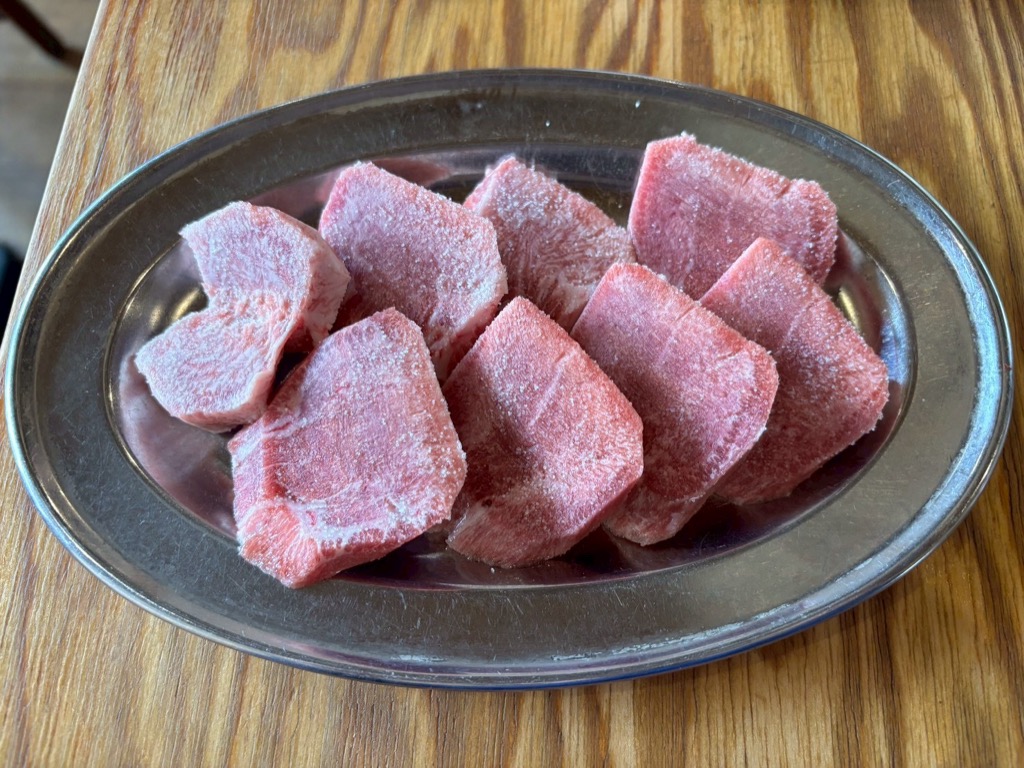
The beef tongue was cut thick, and a quick sear brought out a toasted aroma. Its springy bite made the natural flavor of the meat easy to recognize, without relying on seasoning.

Pork belly, on the other hand, was unapologetically fatty. The sound and smell of dripping fat hitting the charcoal stimulated the appetite, but eating it one slice at a time kept it from becoming overwhelming.
Around this point, it became clear that controlling the pace of grilling—adjusting heat and timing on the shichirin grill—was part of what made the meal satisfying.
4. Comparing Premium Red Horumon, Loin, and Mino
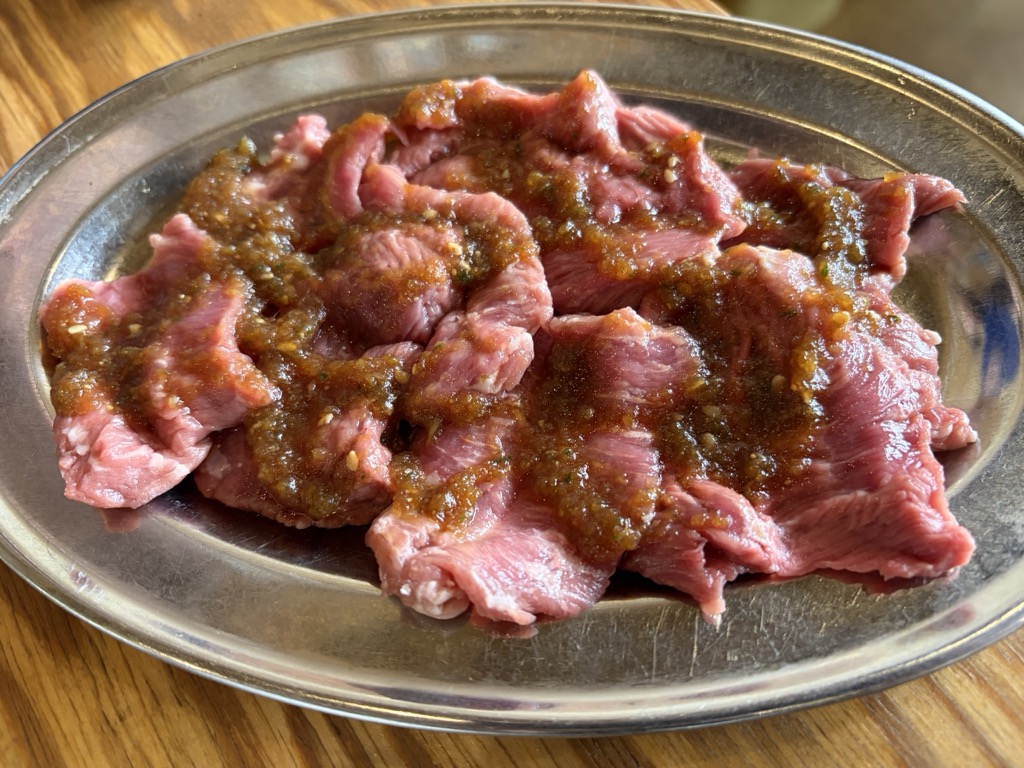
Revisiting the premium red horumon left a stronger impression than the first time. Beyond its fat, the depth of flavor that emerged with continued chewing made it easy to understand why horumon enthusiasts favor this cut.
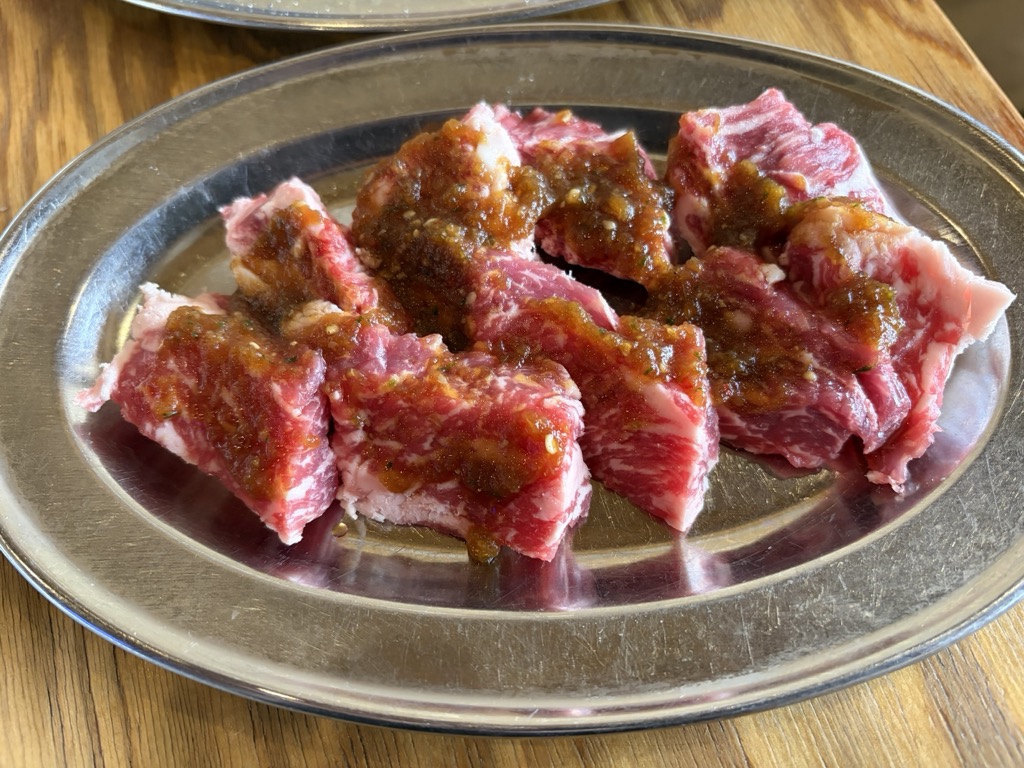
The loin leaned more toward lean meat and held its tenderness even when cooked thoroughly, allowing its flavor to expand gradually with each bite.
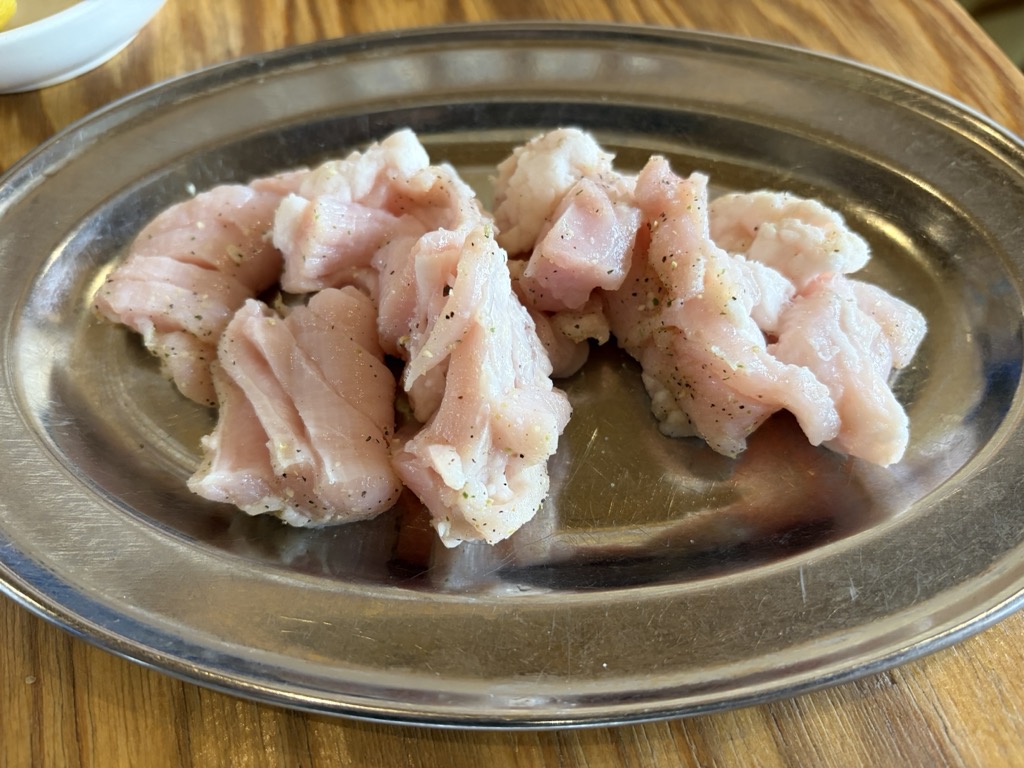
Mino, with its distinctive crunch, provided a clear textural shift. After several softer cuts, it served as a natural break, clearly marking a transition in the meal.
5. The Experience of Eating While Grilling
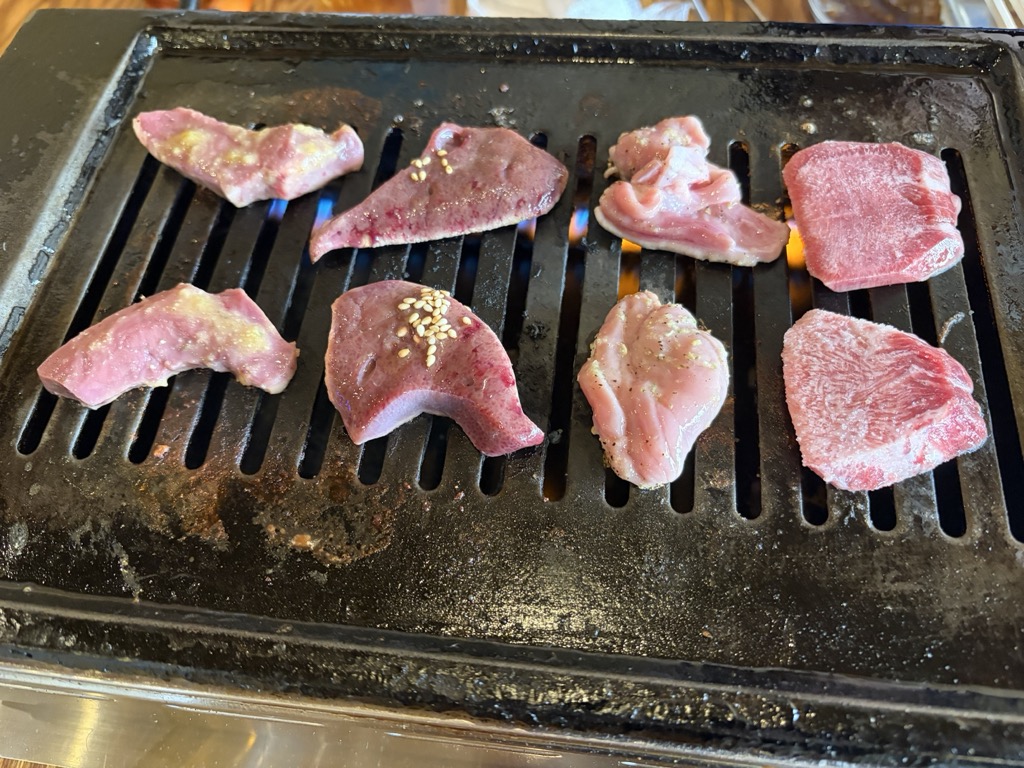
Surrounded by smoke and the sound of meat cooking, the experience extended beyond taste alone. Grilling at one’s own pace removed any sense of being rushed, and the meal naturally stretched out.
The cycle of grilling a little, eating a little felt comfortable and unforced, making the experience more memorable than simply consuming the food.

6. Final Thoughts After the Meal
Looking back after finishing, the horumon-focused lineup never felt repetitive. Each cut had a clear role, and the contrasts in texture and flavor kept the meal engaging. For anyone who genuinely enjoys offal, this kind of restaurant is easy to appreciate.
That said, the smoke and richness may not suit everyone, and preferences will naturally vary. Still, for those who want to enjoy yakiniku as an active, hands-on experience—grilling at their own rhythm—this is a place worth considering.
Restaurant Information
Restaurant Name: Horumon Akashiroya
Cuisine: Horumon (Offal Yakiniku), Japanese BBQ
Address: 4-2-51 Ijiri, Minami-ku, Fukuoka City, Seribiru 1F
Access: Approximately 1 minute on foot from Nishitetsu Ijiri Station
Hours: 11:30 AM – 10:30 PM
Closed: Mondays
Price Range: Around ¥2,000–¥4,000 per person