What makes Hiroshima good is that the dishes which explain the city are scattered right through it.
Feel the heat of the griddle with okonomiyaki, get the outline of soy sauce from Onomichi ramen, pack in everything “Hiroshima” with oysters. Reset the pace partway through with a coffee-shop breakfast, then finish sharply with soupless dandan noodles — that sequence worked very well for me.
This article records the six places I walked to, in order. All of them are within central Hiroshima (Naka-ku) and Hiroshima Station, so the whole route fits into a day or two.
Sponsored
The route at a glance
| # | Place and dish | Area | Budget |
|---|---|---|---|
| 1 | Mihera: Hiroshima okonomiyaki | Nobori-cho, Naka-ku | 1,000-3,000+ yen |
| 2 | Onomichi Ramen Akatsuki | Teppo-cho, Naka-ku | Up to ~1,000 yen |
| 3 | Kaki Hiyokko Shoten Kanayamacho: seven oyster dishes | Kanayama-cho, Naka-ku | 3,000-5,000 yen |
| 4 | Teranishi Coffee main store: breakfast | Takara-machi, Naka-ku | Around 1,000 yen |
| 5 | King-ken Hondori: soupless dandan noodles | Hondori, Naka-ku | Under 999 yen |
| 6 | Hiroshima ekiben: anagomeshi | Hiroshima Station | Around 1,500 yen |
Oysters at night, coffee in the morning, dandan noodles between moves — the timings separate naturally, so the order never felt forced.
1. Mihera: the noodles are the main event
An okonomiyaki and teppanyaki restaurant down a side street in Nobori-cho, Naka-ku. Lunch centres on okonomiyaki; the evening menu adds a wide range of griddle dishes. The name “Mihera” comes from its logo of three overlapping griddle scrapers (hera).
Hiroshima okonomiyaki, two versions
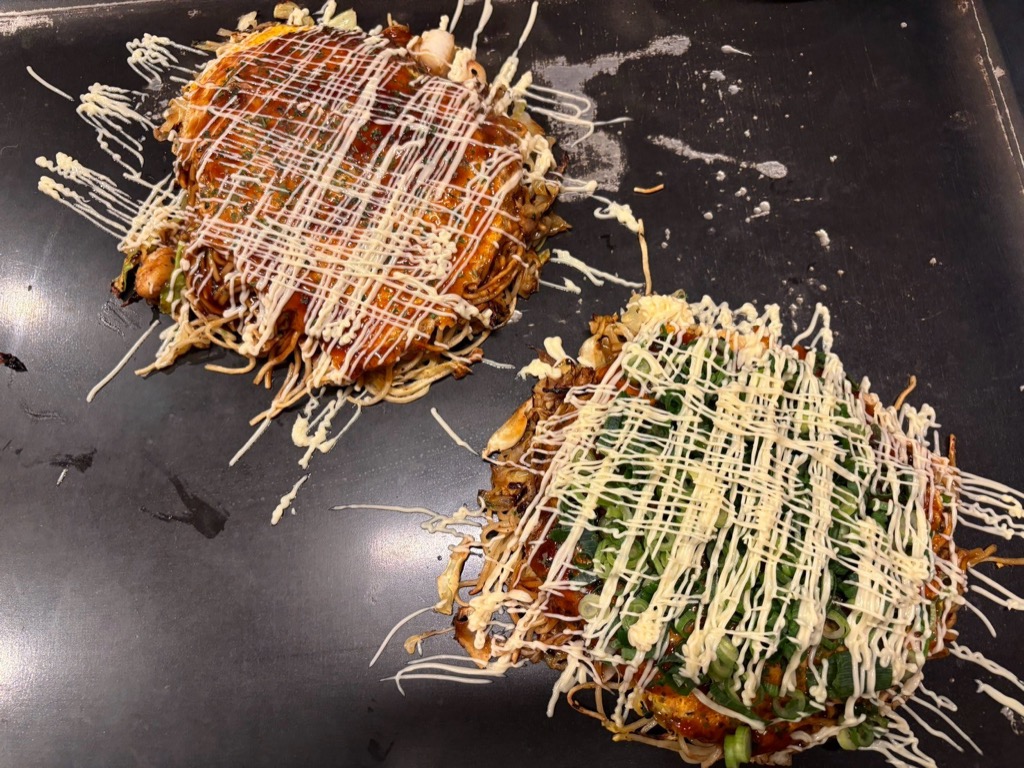
The first thing that registered was how the noodles are cooked. They are spread wide across the griddle and browned properly to bring out a crisp texture, and that light toastiness comes through in the first bite.
The layered Hiroshima construction — cabbage, pork belly — releases the flavour of each ingredient as you chew.
I ordered two and compared them. The basic one lets the sauce, noodles and cabbage work together plainly; the one with toppings adds an accent that keeps it interesting. A single Hiroshima okonomiyaki is heavy, so with two or more people, ordering different versions and sharing is the right call.
Tonpeiyaki

Egg and pork bound firmly together, perfect for changing the rhythm between okonomiyaki.
Sitting at the counter watching the cook work is genuinely enjoyable, even while waiting. For casual, properly Hiroshima okonomiyaki, this delivers without any fuss.
| Name | Okonomi Teppanyaki Dojo Mihera |
|---|---|
| Address | Yamada Building 1F, 7-11 Nobori-cho, Naka-ku, Hiroshima |
| Access | 3 min from Ebisucho stop / 4 min from Kanayamacho stop |
| Hours | Lunch 11:30-14:00 / Dinner 18:00-23:00 (L.O. 22:30) |
| Closed | Wednesdays (plus New Year holidays) |
| Budget | 1,000+ yen lunch / around 3,000 yen dinner |
Sponsored
2. Onomichi Ramen Akatsuki: between richness and lightness
A ramen shop on the ground floor of the Nishitaya Building in Teppo-cho, Naka-ku, two or three minutes from Hatchobori. The menu centres on Onomichi ramen, with sets adding fried rice or karaage. With around 18 counter and table seats it is compact and easy to enter alone.
Onomichi ramen with half fried rice
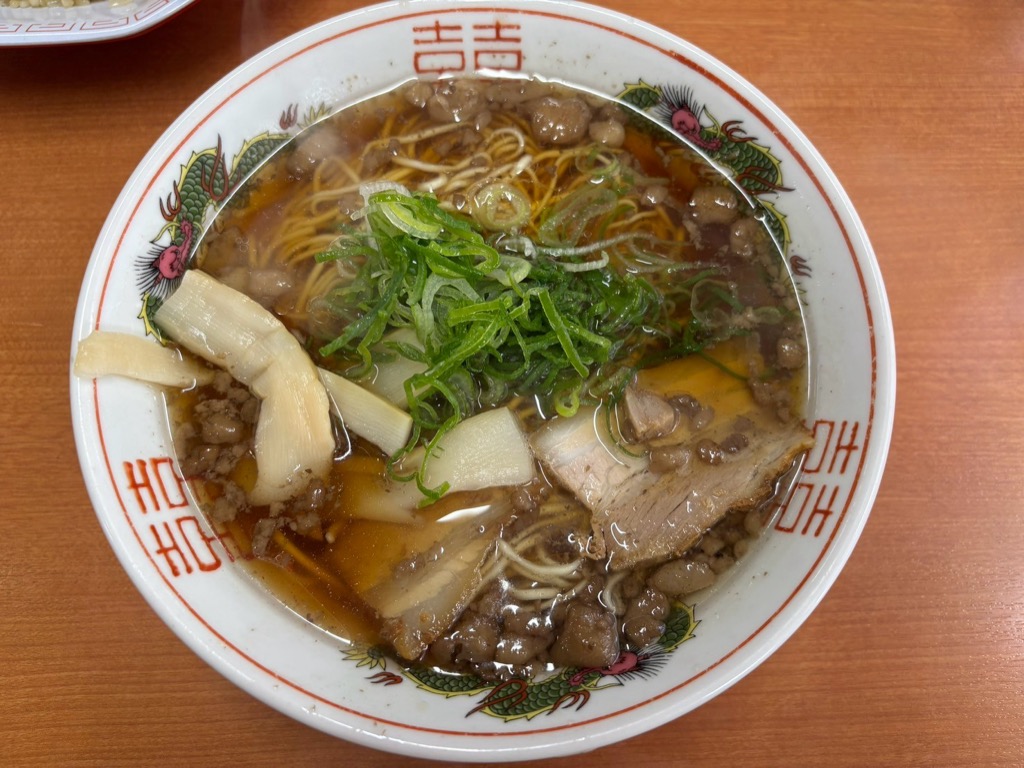
The broth registered first. A soy-sauce base built on chicken bones and seafood, neither too heavy nor too thin, with back fat dissolved into it at a measured level.
The noodles are thin and straight; coated in the broth they turn smooth, and both the heat and the definition of the flavour hold to the last mouthful.
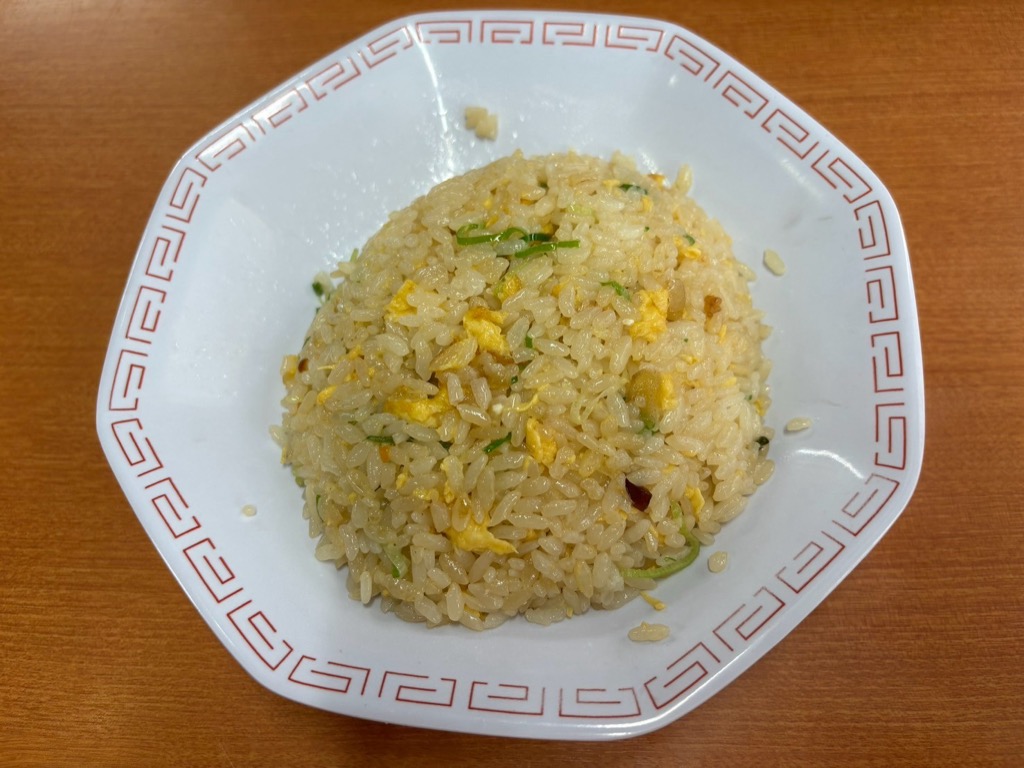
The half fried rice in the set is composed so as not to trample the broth’s aftertaste. The salt is restrained, which makes eating them together easy.
The room is small, and being able to watch the cooking from the counter builds anticipation. It was full by early afternoon when I visited, but the turnover is fairly quick.
Some people will want more intensity. Even so, this balance is an easy way to understand Onomichi ramen from inside Hiroshima city.
| Name | Onomichi Ramen Akatsuki |
|---|---|
| Address | Nishitaya Building 1F, 8-24 Teppo-cho, Naka-ku, Hiroshima |
| Access | 2 min from Hatchobori |
| Hours | 11:30-22:00 (may close early when sold out) |
| Closed | Irregular |
| Budget | Up to about 2,000 yen with a set |
3. Kaki Hiyokko Shoten: seven ways with oysters
An oyster-focused izakaya in Kanayama-cho, Naka-ku. It runs an all-you-can-eat oyster plan, and the a la carte range is wide. Counter, sunken kotatsu and table seating, 40 seats in total.
There is also a Hiroshima main branch in Yagenbori with completely different hours (18:00-07:00). Check which branch you are going to. Everything here refers to the Kanayamacho branch (16:00-24:00).
Oyster and vegetable pickles
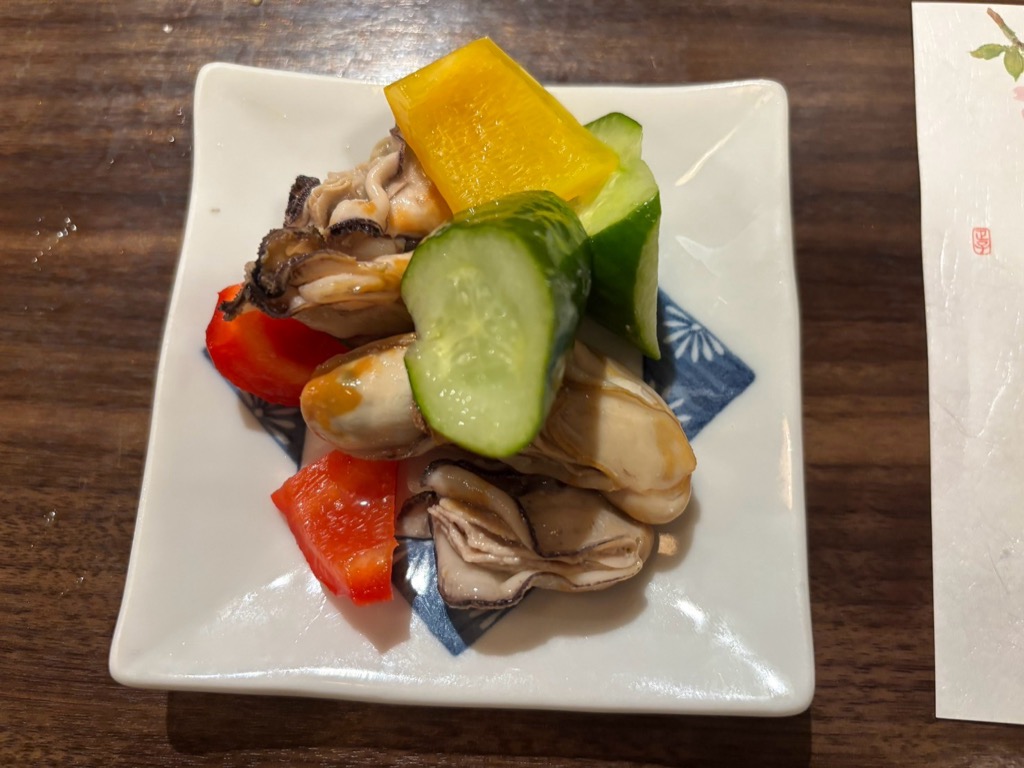
Gentle acidity that cleans the palate without competing with the oyster. Exactly right at the start of a long run of dishes; the sourness prepares the way for what follows.
Oysters in ponzu
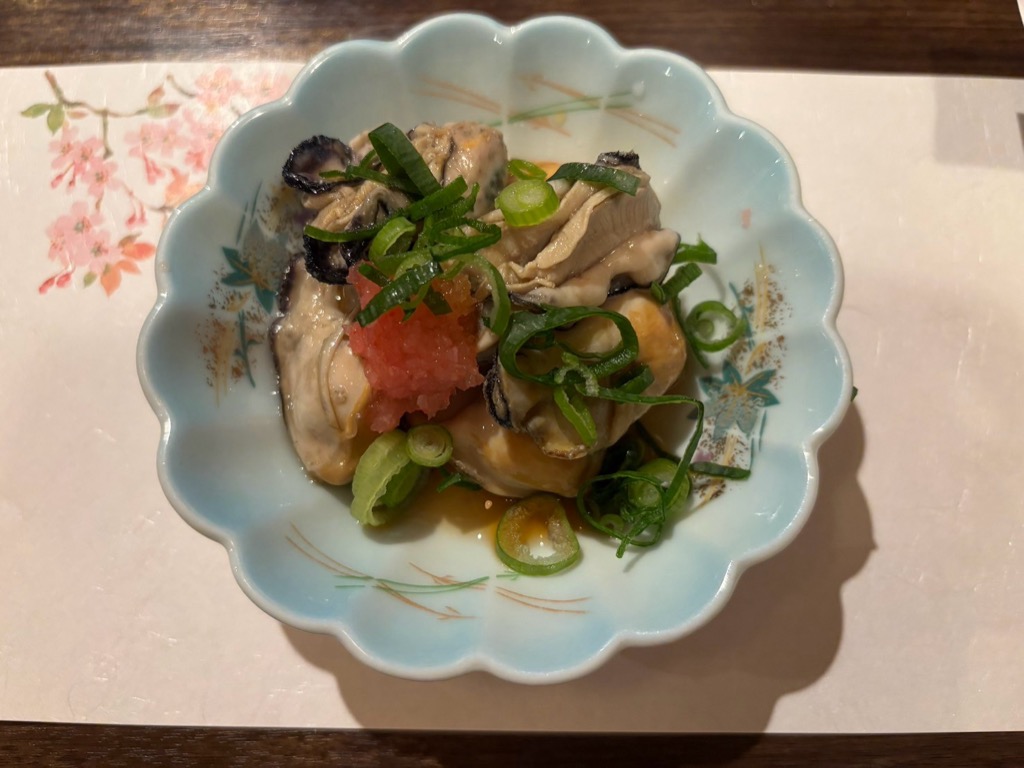
The bright acidity of the ponzu and the plumpness of the oyster balance well — the dish for checking what the oyster itself tastes like.
Steamed oysters
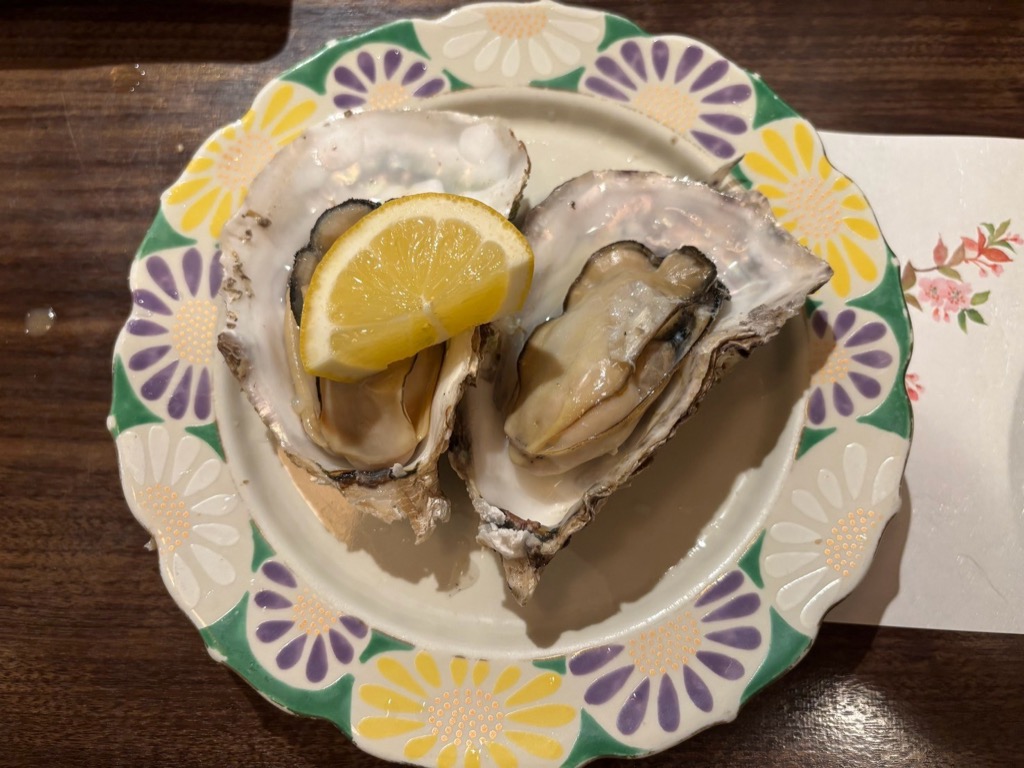
Cooked through and still plump. Biting into one releases the smell of the sea along with the umami; this is where the quality of the oysters became plain.
Oyster gratin
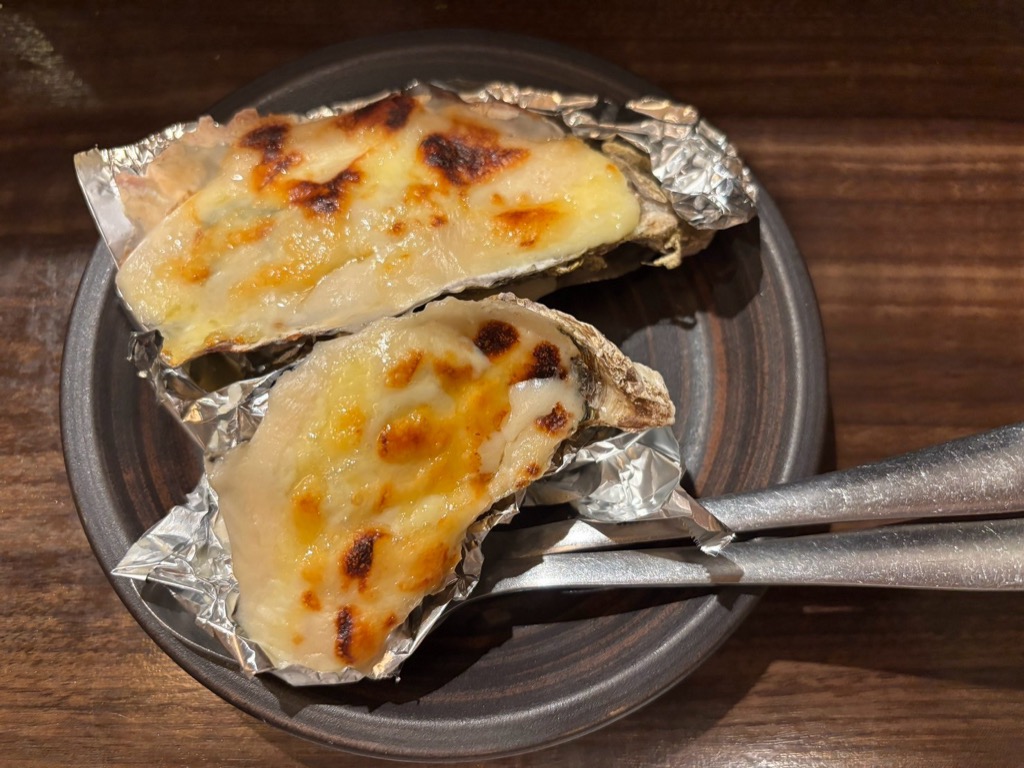
Cream and oyster umami working as one. It never tips too far toward the cream, so the oyster keeps its presence while the dish gains depth. Satisfaction jumps here.
Fried oysters
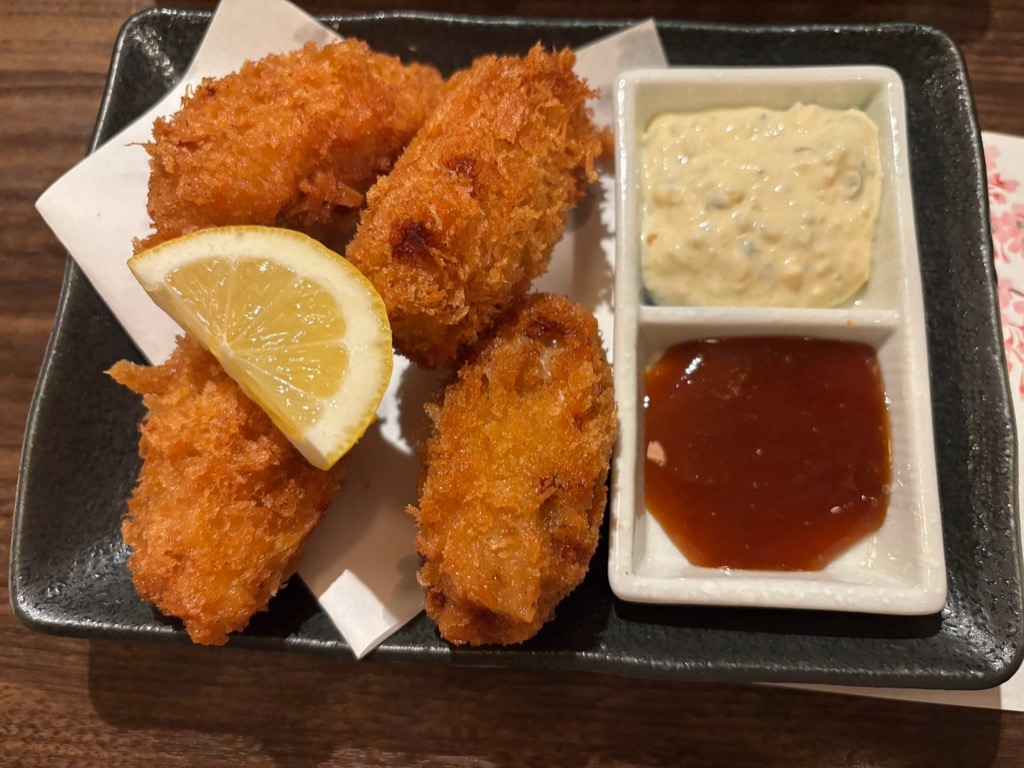
The crunch of the coating against the juiciness inside is a sharp contrast — the classic way to taste “oyster”. Good for sharing in a group.
Oyster peperoncino
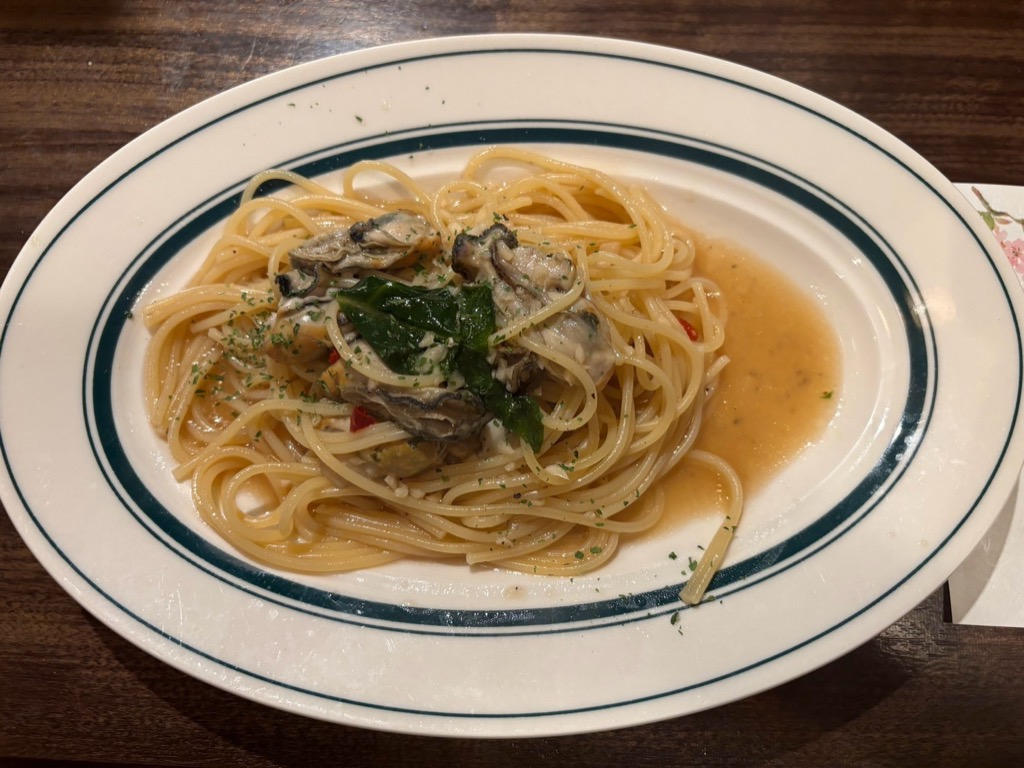
Garlic oil at a measured level. Oysters and pasta sit together without friction, and it brings a lightness distinct from the richer plates. Slotted midway through, the change of direction is welcome.
Oyster takikomi gohan
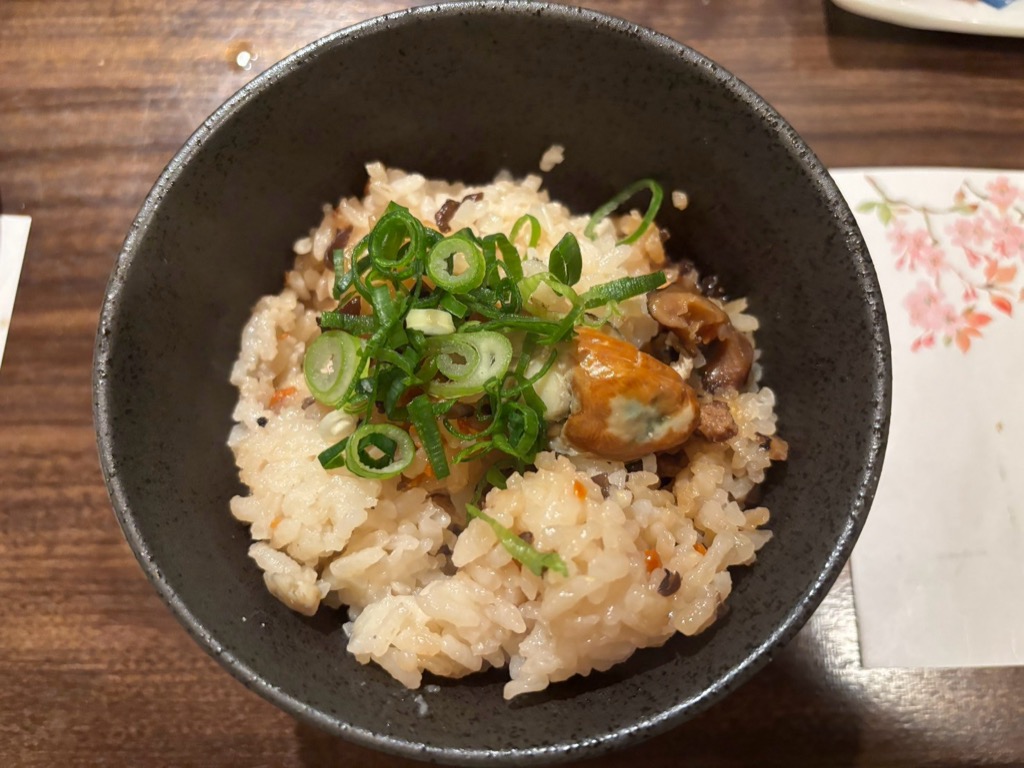
Satisfying enough to stand alone. The umami transfers into the rice, producing a gentle unity. Even long afterwards, this is what registers as the closing dish of the evening.
Overall the restaurant is less about filling you up with oysters than tasting each preparation in turn to map out what oysters can do. Go with people who like oysters and share several plates.
Charcoal-grilled oysters at a seasonal oyster hut are a different thing entirely — I wrote about an oyster hut in Itoshima, Fukuoka for comparison.
| Name | Kaki Hiyokko Shoten, Kanayamacho branch |
|---|---|
| Genre | Izakaya, oysters, seafood |
| Address | 12-24 Kanayama-cho, Naka-ku, Hiroshima |
| Access | 3-4 min from Kanayamacho stop |
| Hours | 16:00-24:00 (food L.O. 23:00, drinks L.O. 23:30) |
| Closed | Irregular |
| Seating | 40 (private hire 25-45 people) |
| Budget | 3,000-5,000 yen |
Sponsored
4. Teranishi Coffee: resetting the pace with thick toast
A long-established coffee shop in Takara-machi, Naka-ku, open from 8:00. Around 1,000 yen — priced as an everyday place rather than a tourist stop. 23 seats, parking for seven cars.
Breakfast set: mountain-shaped bread, salad, coffee
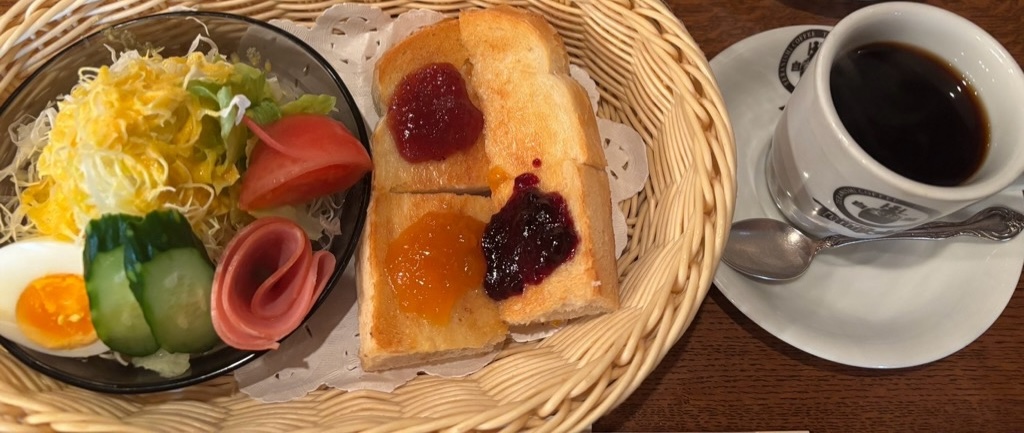
What registered first was the presence of the bread. Not thin slices but properly thick toast, lightly browned on the surface while the inside keeps its moisture and pulls apart naturally. Butter brings the sweetness of the bread forward, and it goes down easily as breakfast.
The salad is not stingy, and the dressing does not assert itself, so alternating with the toast never clashes. The coffee keeps its bitterness in check and does not sit heavily first thing.
This is the breakfast for a morning when you want to settle yourself before sightseeing. Nothing flashy, but you finish with the sense of having actually eaten breakfast.
Note that it closes on Sundays and public holidays — on a weekend trip, Saturday morning is your only chance.
| Name | Teranishi Coffee, main store |
|---|---|
| Address | 6-15 Takara-machi, Naka-ku, Hiroshima |
| Phone | 082-249-3850 |
| Hours | 8:00-18:30 |
| Closed | Sundays and public holidays |
| Seating / parking | 23 seats / 7 cars |
| Budget | Breakfast around 1,000 yen |
5. King-ken Hondori: the dish is finished by mixing
A specialist in soupless dandan noodles in central Hiroshima. Heat runs from level 0 to level 4, with level 2 as the standard and the most popular. Under 1,000 yen, fast turnover, easy to enter alone.
Hiroshima-style soupless dandan noodles
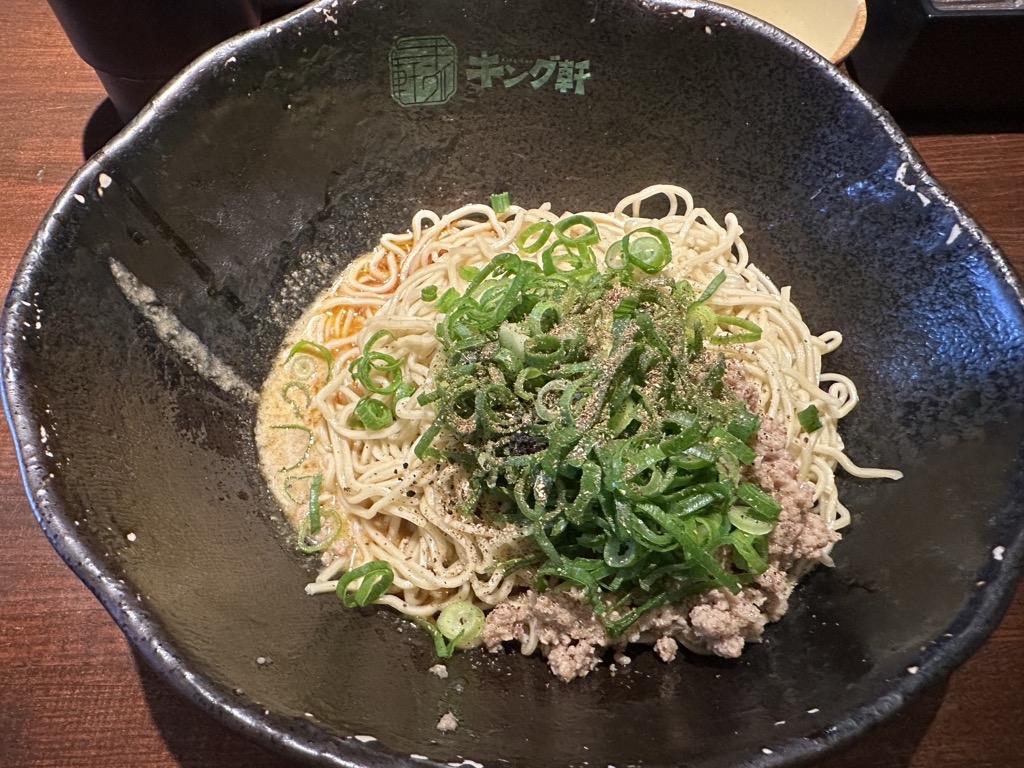
As served, the sauce is barely visible: the dish assumes you will mix it thoroughly first. Work the chopsticks up from the bottom and the aroma of sansho rises — only then does it come together.
The first mouthful brings heat and numbness at once, but it is not only stimulus; the umami of the sauce clinging to the noodles arrives just behind. It never flattens out, and I ate at the same tempo to the end.
None of the heaviness of ramen, and still properly satisfying. A good choice when you want to eat quickly, or slot something distinctly Hiroshima into a gap in the day.
| Name | Shirunashi Tantanmen Senmon King-ken, Hondori branch |
|---|---|
| Address | Shigetomi Building 1F, 8-7 Hondori, Naka-ku, Hiroshima |
| Phone | 082-249-2322 |
| Access | 3 min from Tatemachi stop |
| Hours | 11:00-22:00, continuous |
| Closed | New Year’s Day |
| Budget | Under 999 yen |
The King-ken main store and Yagenbori branch close on Sundays, so Hondori is the Sunday option.
6. Hiroshima ekiben: closing with anagomeshi
Station bento sold inside Hiroshima Station. The conger eel boxes are the signature, cooked in a kitchen at the station and distributed to the shops inside it. Easy to buy before departure, and built to be eaten on the shinkansen.
Aburi-ni anagomeshi and meoto anagomeshi
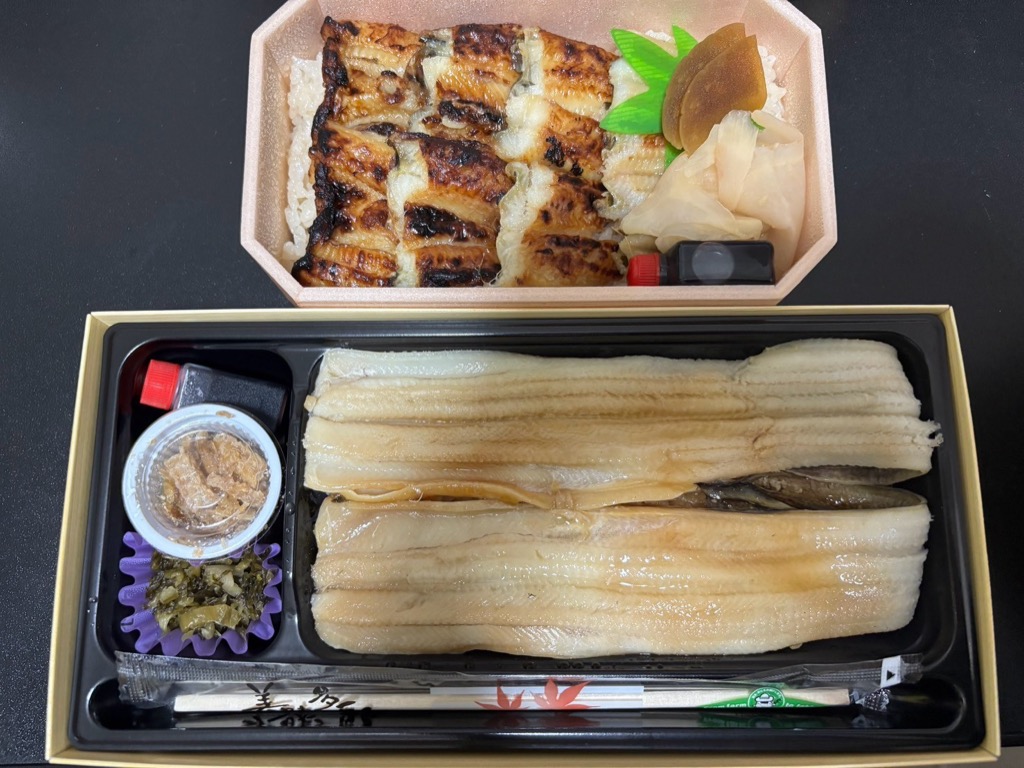
Aburi-ni anagomeshi puts simmered and then flame-seared conger eel over rice cooked in conger dashi. Opening the lid releases the toasted aroma. The eel is soft and the sweet-savoury sauce has soaked into the rice, and the flavour stayed defined even after it had cooled. Easy to eat while travelling, too.
Meoto anagomeshi shows two fillets side by side, with a higher proportion of simmered eel. Less of the seared aroma, but the softness of the flesh comes through more clearly and it unifies well with the rice. It is Hiroshima Ekiben’s flagship, at 1,580 yen including tax.
Aburi-ni suits “one last decisive taste of Hiroshima”; meoto suits “heading home in a settled frame of mind”. Looking back afterwards, the bento counted as part of eating in Hiroshima.
| Name | Hiroshima Ekiben (Hiroshima Ekibento Co.) |
|---|---|
| Where to buy | Shops inside Hiroshima Station |
| Price | Meoto anagomeshi 1,580 yen incl. tax, and others |
Summary
- Hiroshima’s food can be covered within Naka-ku and Hiroshima Station alone
- With okonomiyaki, how the noodles are grilled is the restaurant’s signature. Order two versions and compare
- Onomichi ramen sits between richness and lightness — not for people who want intensity
- With oysters, seven small plates reveal the range. The takikomi gohan lands the ending
- Teranishi Coffee closes Sundays and holidays. Plan weekend mornings around it
- Soupless dandan noodles must be mixed from the bottom. Level 2 is the standard
- Finish with anagomeshi from Hiroshima Station. It holds up cold
Taken one at a time these are separate dishes, but eaten in sequence the outline of Hiroshima’s cooking starts to connect — that was the interesting part.